
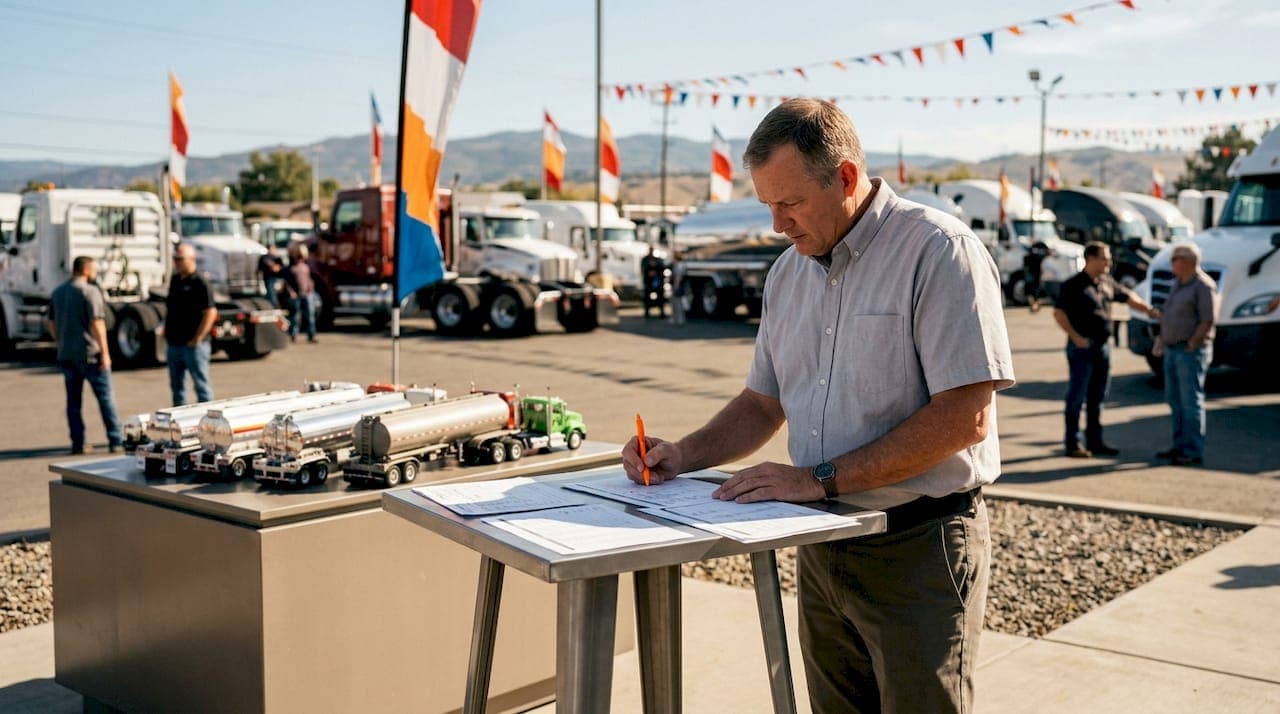
Listing tanker trucks for sale is the process of showcasing available liquid transport vehicles to attract qualified commercial buyers. Fleet operators and procurement professionals use tanker truck listings to match specific liquid handling needs with the right vehicle specs, capacity ratings, and regulatory compliance. Whether you want to buy used tanker trucks, expand your fleet with new tanker truck inventory, or sell existing units, the process demands more than a basic vehicle post. This guide covers tanker types, buyer prerequisites, step-by-step listing practices, and the most common mistakes that cost operators time and money.
What types of tanker trucks are available to list for sale?
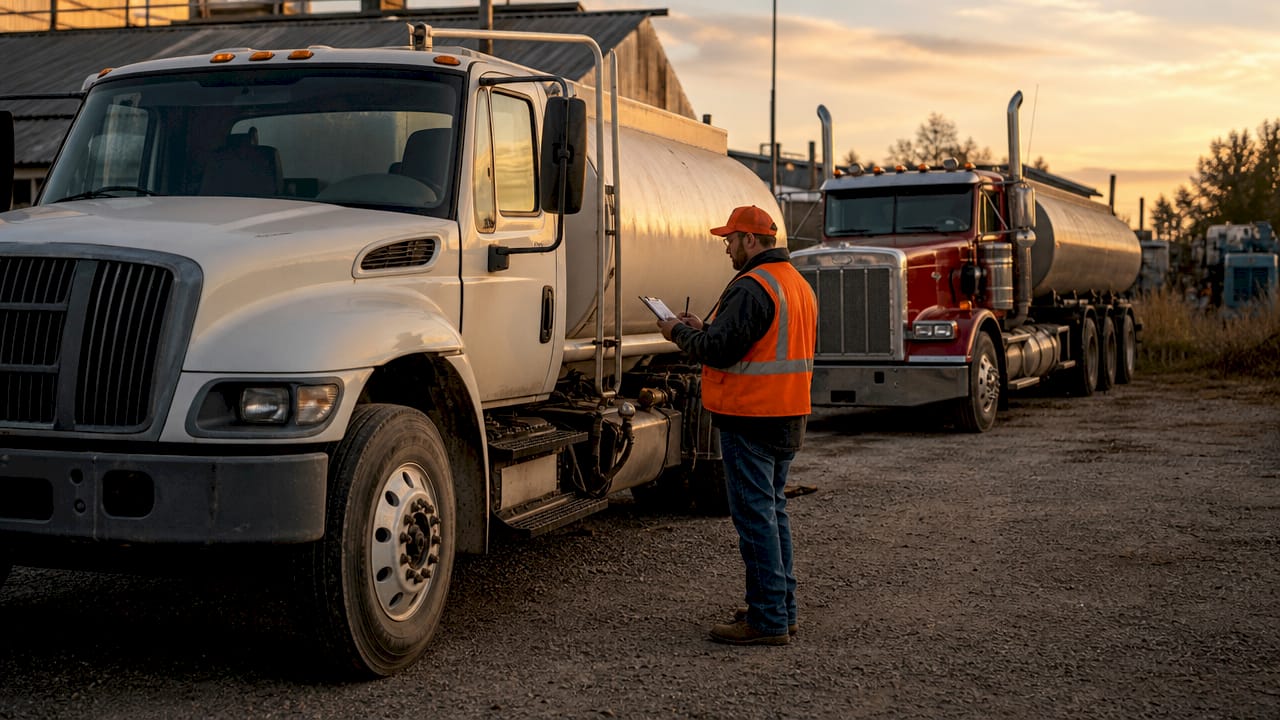
Tanker trucks are purpose-built liquid transport vehicles, and the type you need depends entirely on the cargo you carry. Matching the wrong tank type to your operation creates compliance failures and operational inefficiencies before the first delivery.
The four main categories in commercial tanker truck listings are:
- Fuel tankers: Designed for petroleum products, these units carry gasoline, diesel, or aviation fuel. They require flame-resistant materials, vapor recovery systems, and compliance with DOT hazmat regulations.
- Water tankers: Used in construction, dust suppression, municipal services, and firefighting support. A 2026 Kenworth T480 configured for water service, for example, carries 4,000 gallons with a manual Elkhart water cannon and a 50-foot hose reel, making it suitable for industrial and municipal contracts.
- Chemical tankers: Built with corrosion-resistant linings for acids, solvents, or industrial chemicals. ADR (Agreement Concerning the International Carriage of Dangerous Goods by Road) standards govern tank construction and labeling for these units.
- Food-grade tankers: Stainless steel interiors with sanitary fittings for milk, edible oils, or beverages. These require FDA-compliant materials and documented cleaning records.
Capacity ranges across these categories run from roughly 1,500 gallons for light-duty water trucks up to 11,600 gallons for large petroleum tankers. Operational features vary just as widely. Cabin-controlled spray valves and independently air-operated systems differentiate industrial-grade units from basic transport models. That distinction matters when you evaluate tanker truck listings for municipal contracts or construction site work.
Pro Tip: When reviewing new tanker truck inventory, filter by tank type first, then by capacity. Chassis brand is secondary. A Kenworth or Peterbilt chassis means little if the tank assembly does not meet your liquid handling requirements.
| Tank Type | Typical Capacity | Key Regulatory Standard | Primary Use |
|---|---|---|---|
| Fuel | 5,000–11,600 gal | DOT hazmat, NFPA | Petroleum distribution |
| Water | 1,500–5,000 gal | Local municipal codes | Construction, dust control |
| Chemical | 2,000–6,000 gal | ADR, EPA | Industrial liquid transport |
| Food-grade | 3,000–8,000 gal | FDA sanitary standards | Dairy, edible oils, beverages |
What do you need before listing or buying a tanker truck?
Preparation separates a fast, clean transaction from a drawn-out deal that falls apart at inspection. Both sellers and buyers need specific documentation and technical knowledge before engaging in tanker truck listings.
For sellers listing a tanker truck for sale, gather these items first:
- Vehicle title and registration: Confirm ownership is clear and the title is lien-free before posting.
- Maintenance records: Full service history, including pump maintenance, valve replacements, and tank inspections, builds buyer confidence and supports your asking price.
- Compliance certifications: Tank inspection certificates, DOT safety inspection records, and any ADR documentation for hazardous liquid units.
- Operational test results: Document that air-operated valves and water cannon functionality are working. Buyers of used tanker trucks will test these systems. Having documented results speeds up the sale.
- Accurate capacity and spec sheet: List the tank's rated liquid capacity, material construction, number of compartments, and any specialized fittings.
For buyers evaluating tanker trucks for sale near me or nationally, the checklist shifts to verification:
- Request the tank assembly documentation separately from the chassis records. Tank assemblies carry distinct regulatory requirements that differ from chassis compliance. Treat them as two separate inspections.
- Verify liquid capacity ratings against your operational needs. A tank rated for 4,000 gallons at a 60,000 lb GVWR class 8 weight class has specific load limits that affect route planning.
- Inspect pumps, gauges, and spray systems in person. Remote listings cannot substitute for a physical check of operational controls.
- Confirm the legal status of the cargo type. Chemical and fuel tankers require permits that vary by state.
Pro Tip: Hire an independent heavy equipment inspector for any used tanker truck purchase above $50,000. The inspection cost is minimal compared to the risk of buying a unit with undisclosed tank damage or expired certifications.
How do you list tanker trucks for sale effectively?
A complete, well-structured listing sells faster and attracts more qualified buyers. Incomplete posts generate low-quality inquiries and waste time on both sides.
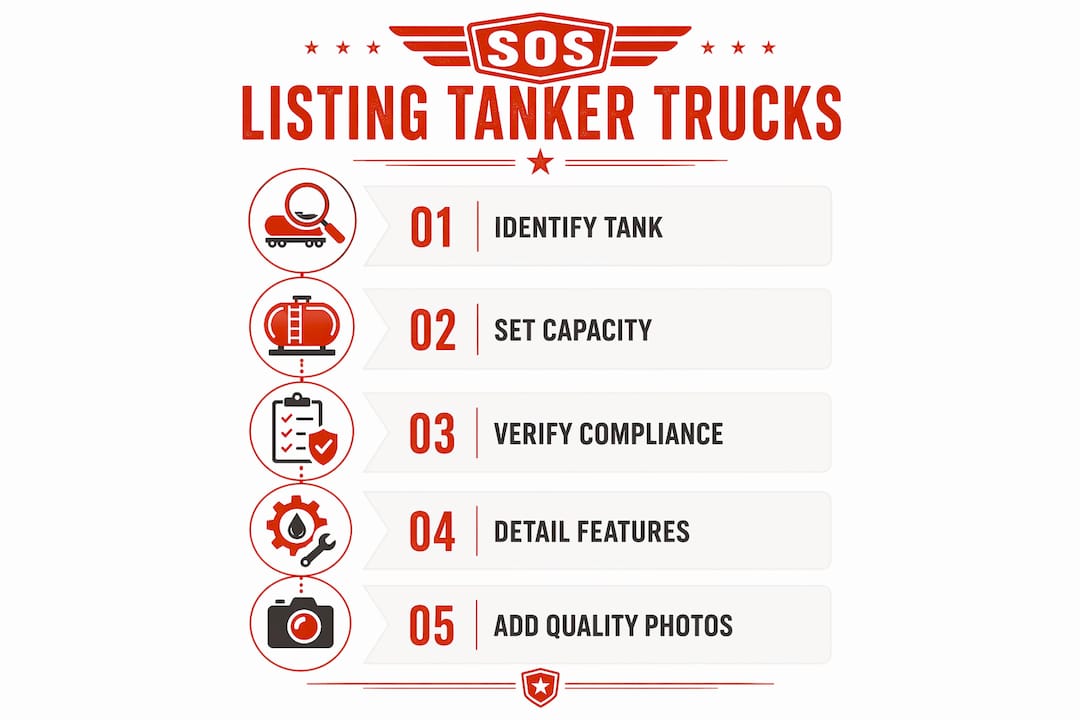
Follow this process to create a listing that performs:
- Write a title that includes tank type, capacity, and year. "2022 Kenworth T880 5,000-Gallon Fuel Tanker" outperforms "Tanker Truck for Sale" in search results and filters.
- List all tank specifications first. Capacity, material, number of compartments, valve types, and any specialized systems like cabin-controlled spray valves belong at the top of the description.
- Include chassis specs second. Engine, transmission, mileage, axle configuration, and GVWR follow the tank details.
- Upload high-quality photos. Show the tank exterior, interior if accessible, pump assembly, cab controls, and any hose reels or water cannons. Buyers searching for tanker trucks for sale near me often make shortlist decisions based on photos alone.
- State compliance status clearly. List current certifications, inspection dates, and any upcoming compliance requirements.
- Set a price based on comparable listings. Research the current price of tanker trucks for sale in your category and region before posting. Overpriced listings sit; underpriced listings raise red flags.
- Post on a platform with commercial truck traffic. General vehicle sites attract the wrong audience. Platforms built for heavy equipment and commercial trucks, like Sostruckforsale, connect your listing directly with fleet operators and procurement professionals.
When buying, evaluate listings using the same criteria in reverse. A listing missing tank specs, compliance records, or operational feature details signals a seller who either does not know the vehicle or is hiding something.
- Check that the listed capacity matches the physical tank markings in photos.
- Confirm the GVWR aligns with the stated payload capacity.
- Ask for a video of the spray valves and pump system operating before scheduling an in-person visit.
- Negotiate based on documented condition, not asking price alone.
What are the most common mistakes when buying tanker trucks?
The most costly mistake buyers make is treating a tanker truck purchase like a standard semi truck purchase. The tank assembly is a separate engineering and regulatory domain, and ignoring it creates problems that show up after the sale.
Experts caution that overlooking tank specs can lead to compliance issues and operational inefficiencies. Focusing only on chassis brand while ignoring liquid capacity ratings and tank regulatory requirements is the single most common error in commercial tanker truck purchases.
Additional mistakes that experienced fleet operators learn to avoid:
- Skipping the operational feature check. Buying used tanker trucks without testing cabin-controlled spray valves and pump systems is the equivalent of buying a crane without testing the lift. These systems are expensive to repair and critical to daily operations.
- Misjudging capacity for the application. A 2,000-gallon water truck that looks clean and runs well is useless for a contract requiring 4,000-gallon deliveries. Verify capacity against your actual job requirements, not just what fits your budget.
- Ignoring tank material compatibility. A stainless steel food-grade tank cannot be repurposed for chemical transport without full recertification. Buyers sometimes purchase a tank type that does not match their cargo, assuming a simple cleaning will solve the problem.
- Accepting verbal compliance claims. Require written documentation for every certification. Verbal assurances have no value at a DOT inspection.
- Overlooking the cost of bringing a unit into compliance. A below-market price on a tanker truck often reflects expired certifications or failed inspections. Calculate the compliance cost before factoring in the purchase price.
Key Takeaways
Buying or listing tanker trucks for commercial use requires evaluating the tank assembly and regulatory compliance as a priority over chassis brand or cosmetic condition.
| Point | Details |
|---|---|
| Tank type determines compliance | Match the tank category to your cargo type before evaluating any other feature. |
| Tank and chassis are separate | Inspect and document the tank assembly independently from the chassis records. |
| Operational features matter | Test spray valves, pumps, and water cannons before completing any used truck purchase. |
| Complete listings sell faster | Include tank specs, compliance status, and operational photos to attract qualified buyers. |
| Compliance costs affect true price | Factor in certification and repair costs before accepting a below-market asking price. |
Why the tank matters more than the badge on the hood
Fleet operators who have bought tanker trucks before all arrive at the same conclusion: the tank is the truck. The chassis is a delivery mechanism. The tank is what earns revenue, carries liability, and determines whether you can legally operate on a given contract.
I have seen buyers spend weeks comparing Kenworth versus Peterbilt chassis specs while barely glancing at the tank assembly documentation. Then they close the deal, take delivery, and discover the tank's last certified inspection was three years ago. The compliance cost to bring it current wipes out the "deal" they thought they got.
The ADR and liquid capacity standards that govern tank assemblies are not the same as the DOT regulations covering the chassis. You need to understand both, and you need documentation for both. A seller who cannot produce tank-specific compliance records is a seller you should walk away from.
Operational enhancements like cabin-controlled spray valves are not luxury features. They are productivity tools that determine whether one operator can handle a job that would otherwise require two. When you evaluate listings, price those features into your decision. A truck with six independently air-operated cab-controlled spray valves and a working water cannon is worth more than a bare tank on a newer chassis.
Thorough inspections and complete documentation are not bureaucratic formalities. They are the difference between a productive fleet asset and an expensive compliance problem sitting in your yard.
— Dave
Find tanker truck listings on Sostruckforsale
Sostruckforsale connects fleet operators and commercial buyers with a broad inventory of heavy equipment and commercial trucks, including tanker trucks across all major categories.
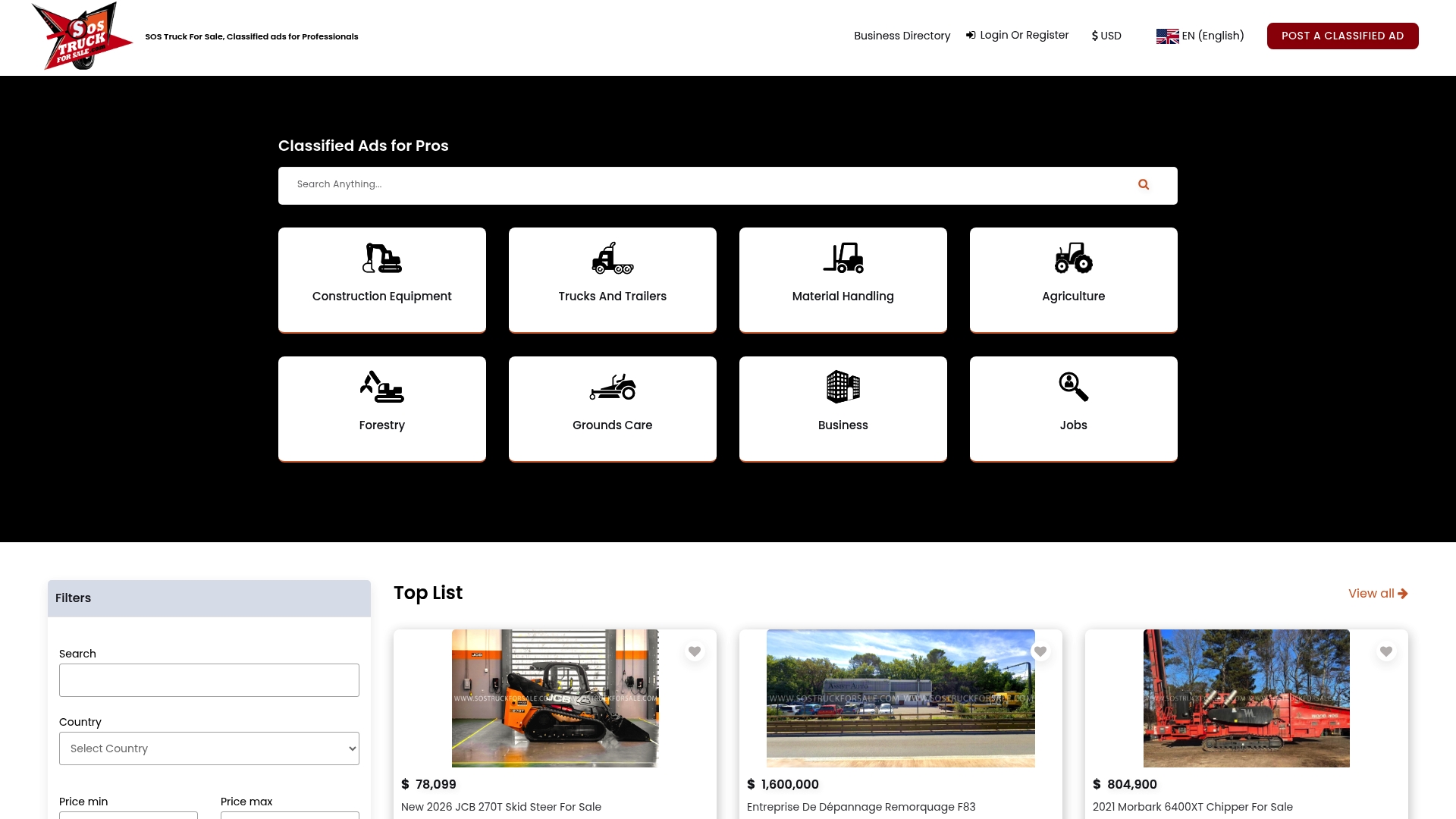
Whether you want to buy used tanker trucks or post your own units for sale, Sostruckforsale gives you a platform built for commercial buyers, not general consumers. Listings include detailed specs, photos, and seller contact information so you can evaluate vehicles efficiently. The inventory updates regularly, giving you access to current tanker truck listings across fuel, water, chemical, and food-grade categories. Post your unit or search available inventory to find the right match for your fleet's liquid transport requirements.
FAQ
What is the standard capacity range for commercial tanker trucks?
Commercial tanker trucks typically range from 1,500 gallons for light-duty water trucks to over 11,000 gallons for large petroleum tankers. The right capacity depends on your cargo type, route weight limits, and contract requirements.
How do I list a tanker truck for sale effectively?
Include tank type, rated capacity, material construction, compliance certifications, and operational feature details at the top of your listing. Add high-quality photos of the tank, pump assembly, and cab controls to attract serious buyers.
What should I inspect when buying used tanker trucks?
Test all operational systems including air-operated spray valves, pumps, and water cannons before purchase. Request tank-specific compliance documentation separately from chassis records, since tank assemblies carry distinct regulatory requirements that differ from chassis compliance.
What regulations apply to tanker truck tank assemblies?
Tank assemblies are governed by standards including ADR for hazardous materials transport and liquid capacity ratings that differ from chassis-level DOT regulations. Chemical and fuel tankers also require EPA and state-level permits depending on cargo and route.
Why do buyers focus too much on chassis brand?
Chassis brand is visible and familiar, but the tank assembly determines operational capability and legal compliance. Overlooking tank specs in favor of chassis preference is the most common and costly mistake in commercial tanker truck purchases.