

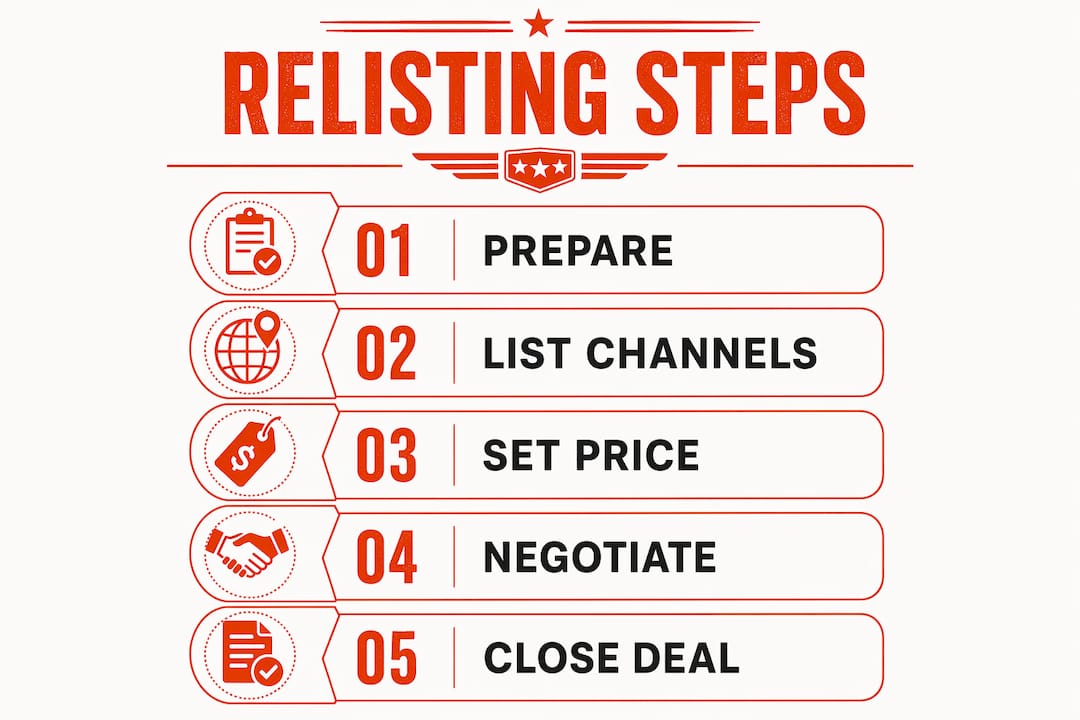
Relisting unsold semi trucks effectively comes down to four non-negotiable moves: thorough preparation, competitive pricing, multi-channel exposure, and disciplined negotiation. Sellers who treat a relisting as a fresh sale, not a repeat attempt, consistently outperform those who simply repost the same listing at the same price. The difference between a truck that sells in two weeks and one that sits for six months is almost always execution, not the truck itself.
The fastest path to a sale:
- Clean and detail the truck inside and out before any photos or showings
- Pull together all maintenance records, title documents, and inspection reports
- Research comparable listings on platforms like Truck Paper and Commercial Truck Trader to set a realistic asking price
- List across at least three channels simultaneously: an online marketplace, a regional dealer, and an auction service
- Collect multiple offers before accepting any single bid
- Track listing views and inquiries weekly, then adjust price or photos if engagement drops
Which sales channels work best for relisting commercial trucks?
No single channel wins every time. The right mix depends on your timeline, the truck's condition, and how much hands-on effort you want to put in.
- National and regional dealers: Large dealership groups buy in volume and move fast, but their opening offers tend to be conservative. Local independent dealers often pay more for models that sell well in their specific market, so a Peterbilt 389 may fetch a better number from a Texas dealer than from a national wholesaler.
- Auction houses: Auctions reach a wide pool of buyers quickly. The tradeoff is that final prices depend on bidding activity on the day, and commission fees come off the top. Best for trucks that need to move fast or for fleet liquidations where speed matters more than maximum price.
- Online marketplaces: Platforms built for commercial vehicles give you direct control over your listing, pricing, and buyer communication. Sostruckforsale, for example, connects sellers with buyers actively searching for semi trucks and heavy equipment across the United States. Broad reach with no middleman cutting into your margin.
- Online buying services: A growing category of buyers provides instant quotes online based on submitted specs, then follows up with a physical inspection before finalizing the deal. Convenient, but expect the post-inspection number to differ from the initial quote.
- Private sales: Direct sales to owner-operators or small fleets can yield the highest net price, but they require more time, more vetting, and more patience. Fraud risk is also higher, so secure payment methods are non-negotiable.
Running two or three channels at once creates buyer competition. That competition is what drives offers up.
How should you prepare your truck and paperwork before relisting?
Preparation is where most sellers leave money on the table. A truck that looks neglected and arrives with incomplete records will always attract lower offers, regardless of its mechanical condition.
- Detail the truck thoroughly: Wash and wax the exterior, degrease the engine bay, clean the cab, and polish the chrome. A clean, well-presented truck commands a higher price than a dirty one. This is not cosmetic vanity; it signals to buyers that the truck has been maintained.
- Fix minor issues: A cracked mirror, a broken marker light, or a torn seat cover gives buyers an easy excuse to negotiate the price down. These repairs typically cost little but remove leverage from the buyer's side.
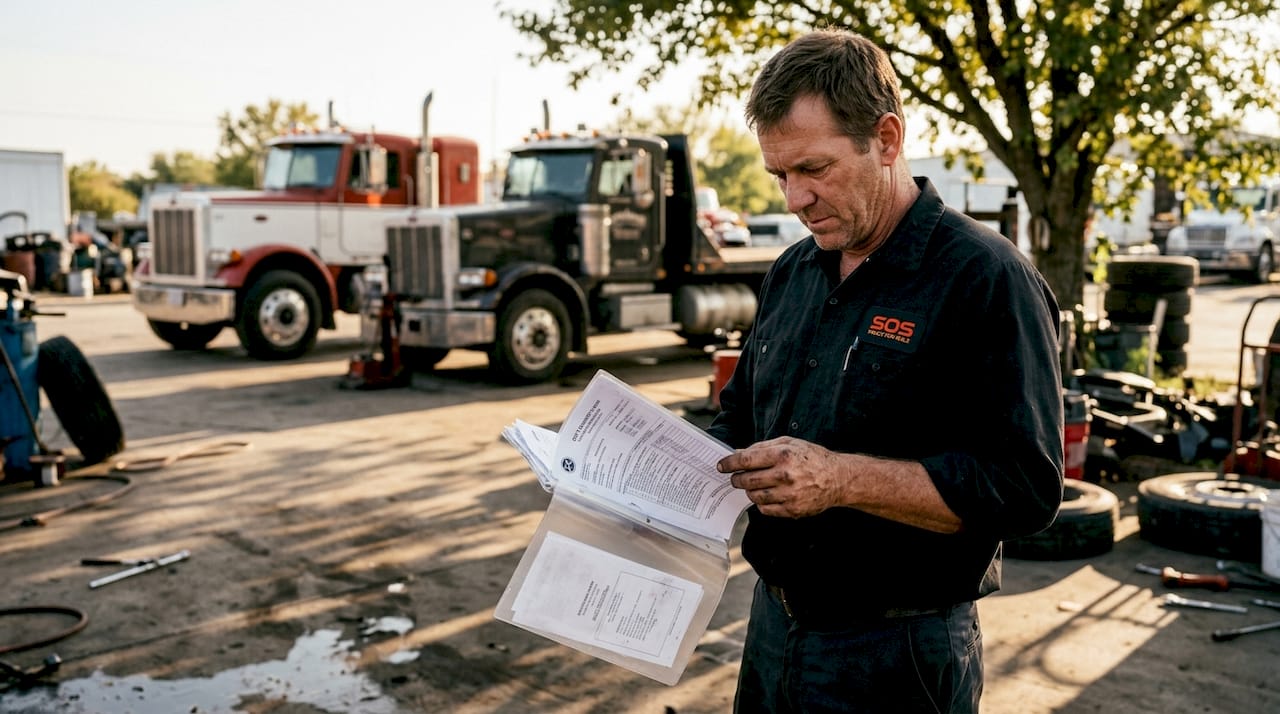
- Compile maintenance records: Service logs, oil change receipts, DOT inspection reports, and any major repair invoices should be organized and ready to hand over. Gaps in the maintenance history make buyers nervous and lower their offers.
- Gather ownership documents: Title, registration, any lien release documentation, and the bill of sale template should all be in order before you list. Delays in paperwork kill deals that are otherwise ready to close.
- Shoot quality photos and video: Photograph the truck in good natural light from every angle: front, rear, both sides, engine bay, cab interior, tires, and frame. A short walkthrough video showing the engine running adds credibility that photos alone cannot match.
- Disclose known issues upfront: Hiding mechanical defects destroys buyer trust and kills deals. Presenting records honestly, even when they show a past repair, leads to better negotiations than concealing problems and having them surface during inspection.
Pro Tip: Include the most recent DOT inspection report in your listing photos. Buyers who see a clean or recently addressed inspection report move faster and negotiate less aggressively.
How do you choose the right selling approach for your timeline?
The best sales method is the one that matches your actual situation, not the one that sounds most appealing in theory.
- Urgent sale (under 30 days): A dealer or auction is your fastest path. You will likely accept a lower price, but the transaction closes quickly with minimal back-and-forth. Auctions are particularly effective for fleet liquidations where multiple units need to move at once.
- Moderate timeline (30–90 days): A combination of an online marketplace listing and dealer outreach gives you price discovery without the pressure of an auction floor. You can collect offers, compare them, and negotiate from a position of information.
- Patient seller (90+ days): Private sales and premium online listings give you the best shot at top dollar. You control the price, the pace, and the buyer vetting process. The tradeoff is time and the administrative work of managing inquiries.
- Fleet managers with multiple units: Stagger your listings rather than flooding the market at once. Listing too many similar trucks simultaneously can suppress prices as buyers sense desperation. Releasing units in batches keeps demand steady.
- Timing within the year: Demand for semi trucks typically rises in late winter and spring as freight volumes increase ahead of peak shipping seasons. Relisting in january or february positions your truck ahead of that demand curve. Avoid listing in the week between Christmas and New Year's, when buyer activity drops sharply.
Match the channel to the goal. A truck that needs to fund next month's equipment purchase should go to auction. A truck with a strong maintenance history and low mileage deserves a patient private listing.
How do multiple offers and negotiation tactics help you sell faster?
Multiple competing offers are the single most effective negotiation tool available to a seller. When buyers know others are interested, they sharpen their bids. When a seller has only one offer on the table, the buyer controls the conversation.

Contact at least three to five buyers simultaneously and give each the same complete information package: photos, spec sheet, maintenance summary, and asking price. When offers arrive, do not accept the first one. Instead, go back to the second-highest bidder and let them know, politely and honestly, that you have a stronger offer and ask if they can improve their number. This is not a bluff; it is a straightforward market process that surfaces the truck's true value.
Look beyond the dollar amount when comparing offers. An offer that includes free pickup, a fast payment timeline, and no inspection contingency may be worth more in practice than a higher number with uncertain conditions attached. Inspection contingencies are standard, and buyers will often adjust their price after a physical review. Be present during the inspection, answer questions directly, and have your maintenance records on hand. A seller who is transparent and prepared during an inspection rarely loses a deal over minor findings.
On payment, accept only wire transfers or certified cashier's checks. Payment scams targeting truck sellers are common, and personal checks or complicated payment arrangements are red flags. Verify funds with your bank before releasing the truck or signing over the title.
Pro Tip: Use your truck's strongest assets, such as a recent engine overhaul, new tires, or a clean DOT inspection, as specific justifications when countering a low offer. Concrete evidence is more persuasive than a general claim that the truck is "in great shape."
List your semi truck where serious buyers are already looking
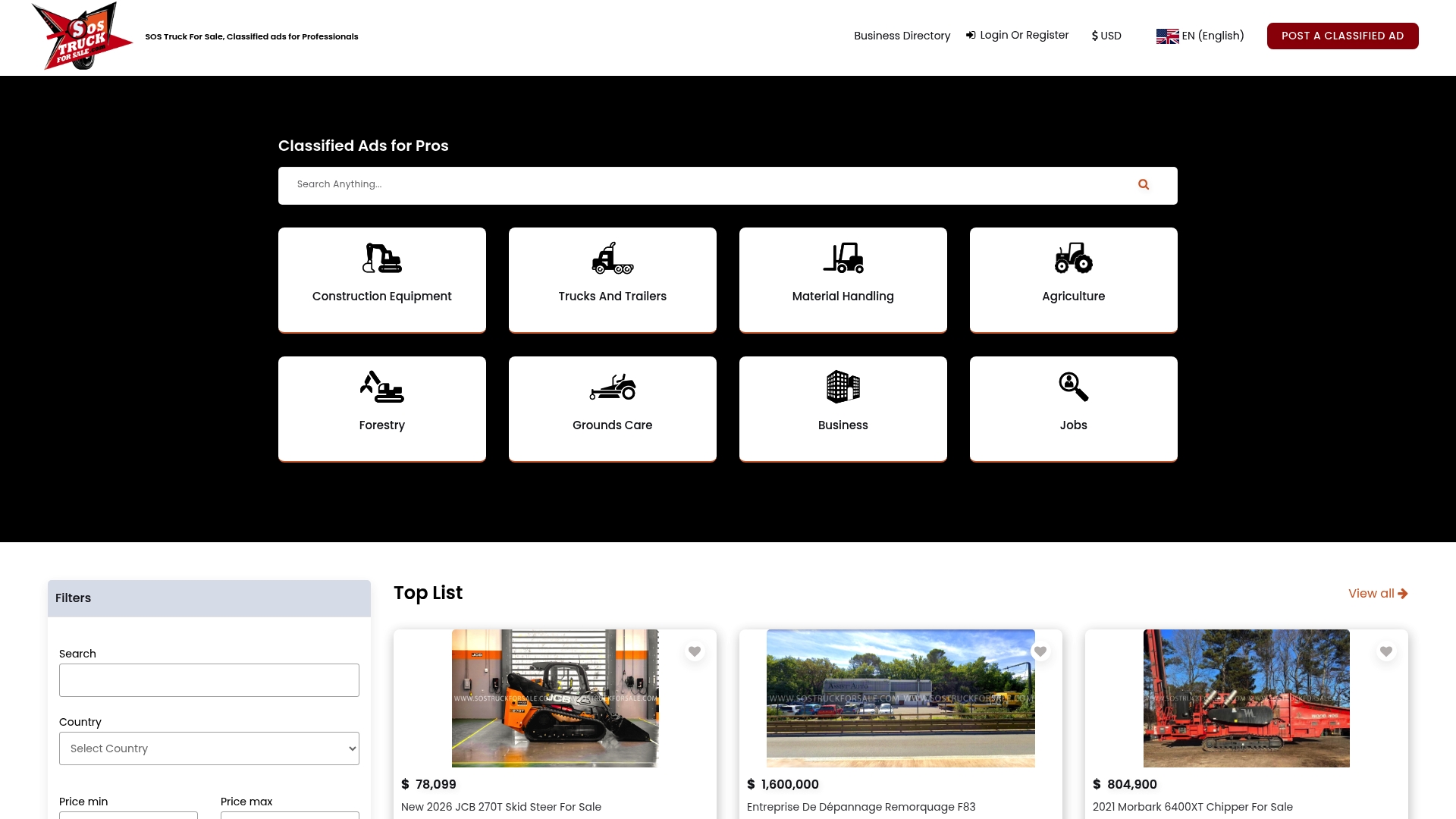
Sostruckforsale connects fleet managers and private sellers with qualified buyers across the United States. Listings on the platform reach buyers actively searching for semi trucks, heavy-duty trucks, and commercial equipment, not general audiences browsing mixed-category sites. If you are ready to list your semi truck and put it in front of buyers who are ready to act, Sostruckforsale is built for exactly that.
Key Takeaways
Relisting unsold semi trucks effectively requires preparation, multi-channel exposure, competitive pricing, and negotiation backed by multiple simultaneous offers.
| Point | Details |
|---|---|
| Prepare before relisting | Clean the truck thoroughly, fix minor issues, and compile all maintenance records before posting. |
| Use multiple channels | List with dealers, online platforms, and auctions simultaneously to create buyer competition. |
| Price from market data | Research comparable listings on platforms like Truck Paper and Commercial Truck Trader to set a realistic price. |
| Negotiate with multiple offers | Contact three to five buyers at once; use competing bids to push the final sale price higher. |
| Disclose issues upfront | Presenting known defects honestly builds trust and leads to better negotiations than hiding problems. |