

Selling high mileage semi trucks is a viable and often profitable move when you understand how commercial buyers actually evaluate these units. Mileage alone does not determine a truck's worth. Fleet operators and trucking companies offload units in the 600,000 to 900,000 mile range every week, and specialized buyers exist for trucks well above that threshold. What drives value is mechanical condition, service history, and title clarity. This guide covers 2026 mileage valuation brackets, required documentation, the step-by-step selling process, and the mistakes that cost sellers money.
How mileage affects semi truck value and buyer expectations in 2026
Mileage creates distinct price tiers in the commercial truck market, but it does not tell the whole story. Mileage valuation brackets define four clear ranges that buyers and sellers both use as a starting point for negotiation.
| Mileage Range | Market Position | Buyer Expectation |
|---|---|---|
| Under 300,000 miles | High value | Minimal mechanical risk, premium pricing |
| 300,000–600,000 miles | Standard range | Solid demand, condition-dependent pricing |
| 600,000–900,000 miles | Significant drop, still sellable | Buyers factor in refurbishment costs |
| Over 900,000 miles | Lower value, active market | Clear title and engine history required |
The most common misconception is that trucks above 800,000 miles have no buyers. That is wrong. Commercial buyers accept various conditions, including non-running, salvage, and accident-damaged units, provided the title is clear. These buyers understand refurbishment potential and component quality in ways that private buyers typically do not.
Engine type and brand also shape value significantly. A Peterbilt or Kenworth with a documented Cummins or Detroit Diesel overhaul at 700,000 miles commands a stronger price than an unmaintained unit at 400,000 miles. Premium brands with documented maintenance create a higher and more stable baseline value regardless of odometer figures.

Pro Tip: When listing a high mileage unit, lead with engine type and last major service date before mentioning mileage. Buyers who specialize in commercial trucks respond to mechanical facts, not just numbers.
The key insight for fleet operators is this: maintenance quality outweighs mileage in the eyes of experienced commercial buyers. A well-serviced truck at 750,000 miles will consistently attract better offers than a neglected unit at 350,000 miles.

What documentation do you need before selling a high mileage semi truck?
Preparation determines the quality of offers you receive. Buyers who specialize in high mileage truck sales move fast, and they expect sellers to have their paperwork ready before the first conversation.
The non-negotiables before listing or contacting a buyer:
- Clear title and registration. A lien-free title is the single most important document. Buyers will not proceed without it, and title issues are the leading cause of deal delays.
- Maintenance and service records. Oil change logs, tire replacement records, brake service history, and DOT inspection reports all contribute to buyer confidence.
- Engine rebuild or overhaul documentation. Documenting major mechanical work is a value multiplier that sellers frequently overlook. An engine rebuild at 600,000 miles effectively resets the mechanical clock in a buyer's mind.
- Photographs and video. Capture the cab interior, engine bay, frame, tires, fifth wheel, and any visible damage. Buyers making remote offers rely entirely on visual documentation.
- Pre-sale inspection report. A third-party inspection from a certified diesel mechanic adds credibility and removes uncertainty from the offer process.
- Damage and salvage disclosure. Disclose any accident history, frame damage, or salvage title status upfront. Concealing this information delays or kills deals.
Pro Tip: Organize all documents into a single digital folder before contacting buyers. Sellers who respond to document requests within hours receive faster and more competitive offers than those who take days to gather records.
Transparency is not just ethical here. It is financially smart. Buyers who discover undisclosed issues during inspection will reduce their offer or walk away entirely. Disclosing problems upfront gives you control over how they are framed and priced.
How to sell a high mileage semi truck to commercial buyers: step by step
The selling process for high mileage trucks to direct commercial buyers is more structured than most fleet operators expect. Following these steps in order reduces delays and protects your final sale price.
-
Gather your documentation first. Before contacting any buyer, compile your title, maintenance records, inspection reports, and photos. Incomplete submissions result in conditional or lowball offers.
-
Submit your truck details to specialized buyers. Provide year, make, model, mileage, engine type, transmission, and a clear description of the truck's condition. Platforms like Sostruckforsale connect sellers with qualified commercial buyers who understand the high mileage segment.
-
Receive and evaluate your offer. Specialized fleet buyers typically deliver an offer within 3–7 business days. Same-day transactions are possible when the seller delivers the truck directly. Review the offer against your documentation quality and current market conditions.
-
Negotiate with facts, not emotion. If the offer is lower than expected, reference specific maintenance records or recent repairs. Buyers respond to documented mechanical value. Emotional arguments about what the truck "should" be worth carry no weight.
-
Confirm pickup logistics and payment terms. Most commercial buyers arrange their own transport. Confirm whether the buyer handles pickup or requires delivery, and clarify payment method before signing anything. Wire transfer and certified check are standard for commercial transactions.
-
Complete the title transfer. Sign the title over to the buyer at the time of payment. Keep a copy of the bill of sale for your records. Some states require a release of liability filing with the DMV.
| Step | Timeline | Key Action |
|---|---|---|
| Documentation prep | 1–2 days | Compile title, records, photos |
| Offer submission | Same day | Submit truck details to buyer |
| Offer receipt | 3–7 days | Review and negotiate |
| Pickup and payment | 1–3 days after acceptance | Confirm logistics, transfer title |
Direct commercial buyers eliminate marketing costs and prolonged negotiations that traditional dealer listings create. The net result is a faster sale with fewer variables to manage.
Common mistakes that cost sellers money on high mileage trucks
Fleet operators who have not sold high mileage units before make predictable errors. Each one reduces the final sale price or extends the time on market.
Pricing a truck based on mileage alone is the fastest way to leave money on the table. Buyers who specialize in commercial units pay for mechanical condition and documentation quality, not just the odometer reading. A truck with a recent engine overhaul and full service records at 850,000 miles is worth significantly more than a neglected unit at 400,000 miles.
The most common mistakes:
- Underpricing based on mileage without factoring maintenance. Sellers who see high mileage and immediately drop their price signal desperation to buyers. Price based on condition and documentation first.
- Submitting incomplete documentation. Buyers who cannot verify mechanical history offer less to compensate for unknown risk. Missing records cost sellers money directly.
- Choosing the wrong sales channel. Private listings attract private buyers who lack the capital and expertise to evaluate high mileage commercial trucks fairly. Direct commercial buyers are the right channel for this segment.
- Delaying the sale. Commercial trucks depreciate continuously. A truck sitting idle for six months while a seller waits for a better offer loses value faster than the difference in offers justifies.
- Ignoring non-running or damaged trucks. Fleet operators sometimes assume a non-running truck has no market. Buyers purchase trucks in various conditions, including non-running units, when the title is clear and the price reflects the condition accurately.
The fix for most of these mistakes is the same: prepare documentation thoroughly, price based on condition rather than mileage, and contact buyers who specialize in the commercial segment.
Key Takeaways
Selling high mileage semi trucks successfully requires prioritizing mechanical documentation and choosing direct commercial buyers over traditional resale channels.
| Point | Details |
|---|---|
| Mileage brackets guide pricing | Use the four mileage tiers as a starting point, then adjust for condition and service history. |
| Documentation drives offer quality | Engine rebuilds, service records, and clear titles produce higher and faster offers from commercial buyers. |
| Direct buyers close faster | Specialized commercial buyers typically complete transactions within 3–7 days with no marketing costs. |
| Avoid mileage-only pricing | Pricing based solely on odometer figures undervalues well-maintained trucks and signals desperation to buyers. |
| Non-running trucks still sell | Buyers accept damaged and non-running units when the title is clear and condition is disclosed upfront. |
What I've learned from watching fleet operators sell high mileage trucks
Fleet operators consistently underestimate the power of their own maintenance records. I have seen trucks with 800,000 miles sell for prices that surprised the sellers, simply because the service history was thorough and well-organized. The buyers were not being generous. They were paying for certainty. A documented engine overhaul at 650,000 miles tells a commercial buyer that the truck has a known mechanical baseline. That certainty has real dollar value.
The other pattern I see repeatedly is sellers defaulting to the wrong channel. Posting a 700,000-mile unit on a general classifieds platform attracts buyers who do not understand commercial truck lifecycles. Those buyers lowball aggressively because they are pricing in their own uncertainty. Direct commercial buyers price based on what they know, which means your documentation quality directly controls the offer you receive.
My honest advice: treat the sale of a high mileage truck like a commercial transaction, not a private sale. Prepare your paperwork the way you would for a fleet audit. Contact buyers who specialize in this segment. And do not wait. Every month a truck sits idle is a month of depreciation with no return.
— Dave
Sostruckforsale connects you with qualified commercial truck buyers
Fleet operators looking to offload high mileage units need a platform built for commercial transactions, not private listings.
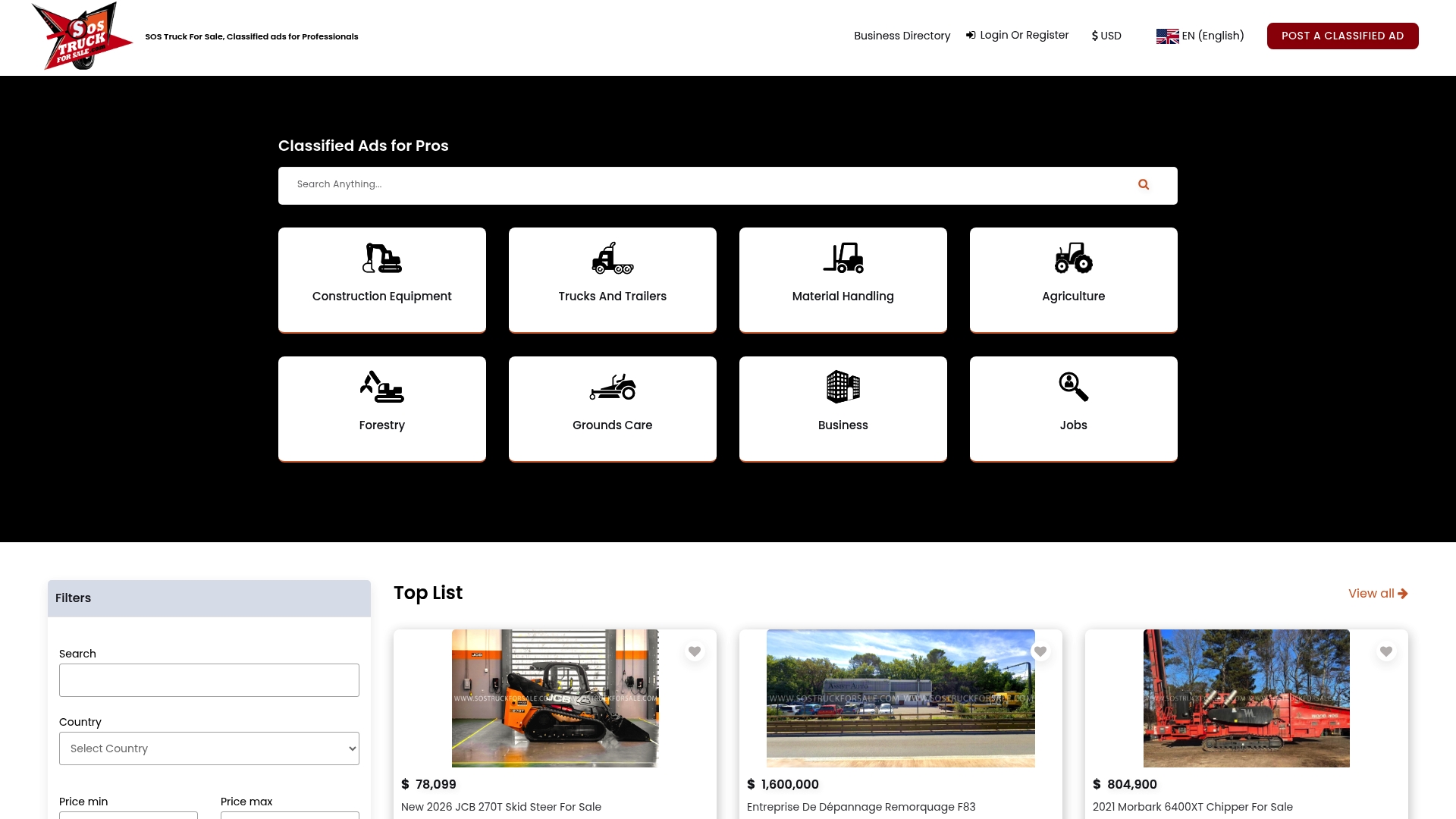
Sostruckforsale gives you direct access to a nationwide network of qualified commercial buyers who understand the high mileage segment. Whether you are selling a single unit or clearing an entire fleet, the platform handles listings for semi trucks for sale at any mileage level and in any condition. Submissions are straightforward, offer turnaround is fast, and transactions are transparent. You get a clear process from first contact to title transfer, with no guesswork about buyer qualifications or payment terms. Visit Sostruckforsale to submit your truck details and connect with buyers ready to move.
FAQ
Does high mileage make a semi truck unsellable?
High mileage does not make a semi truck unsellable. Commercial buyers purchase trucks above 800,000 miles regularly, provided the title is clear and the mechanical condition is documented.
What mileage range gets the best price for a used semi truck?
Trucks under 300,000 miles command the highest prices. Units in the 300,000–600,000 mile range sell at standard market rates, with pricing becoming more condition-dependent above that threshold.
How long does it take to sell a high mileage semi truck?
Specialized commercial buyers typically complete the process within 3–7 business days. Same-day sales are possible when the seller delivers the truck directly.
What documents do I need to sell a high mileage semi truck?
A clear title is required. Supporting documents that improve your offer include maintenance records, engine rebuild documentation, a pre-sale inspection report, and photographs of the truck's current condition.
Can I sell a non-running or damaged semi truck?
Non-running and accident-damaged trucks are purchasable by commercial buyers when the title is clear and the condition is disclosed accurately. Salvage title trucks also have an active buyer market in the commercial segment.