
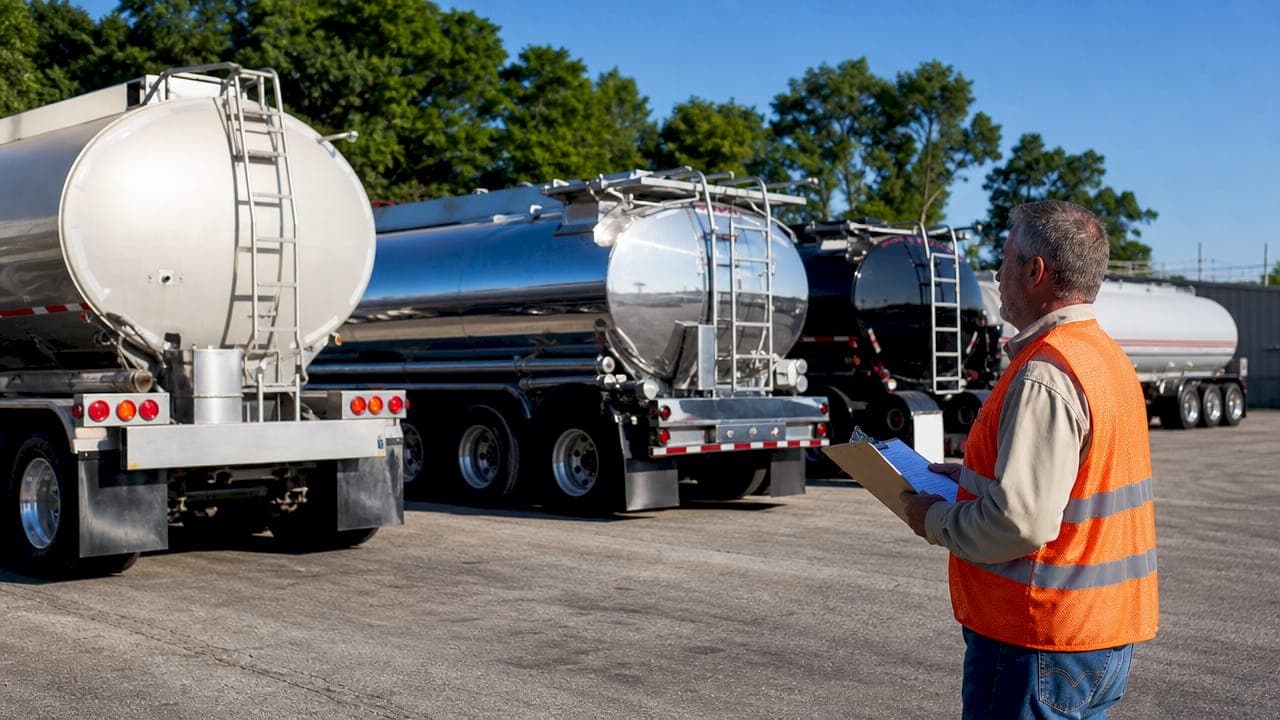
Tanker trucks are specialized vehicles engineered for the safe, efficient transport of bulk liquids, gases, and dry materials, with each design built for a specific cargo class. Fleet operators and logistics professionals who understand the five primary types of tanker trucks — chemical, food-grade, petroleum, pneumatic, and cryogenic — make better purchasing, compliance, and routing decisions. Selecting the wrong tanker type creates contamination risk, insurance voidance, and regulatory penalties under DOT standards. This guide covers every major tanker truck classification, structural differences, CDL requirements, and selection criteria you need to build a compliant, productive fleet.
1. What are the main types of tanker trucks?
Tanker truck classifications in 2026 fall into five distinct categories, each defined by cargo type, tank material, and pressure rating. The industry term for these vehicles is "cargo tank motor vehicles," governed by DOT specifications including DOT-406, DOT-407, and DOT-412. These standards define pressure ratings and cargo compatibility regardless of whether the tank sits on a rigid chassis or a semi-trailer.
The five categories are:
- Chemical tankers: Stainless steel or lined steel construction, fitted with safety relief valves and specialized fittings for hazardous liquids. Require both N (tanker) and H (hazmat) CDL endorsements.
- Food-grade tankers: Polished 316L stainless steel, smoothbore interior, sanitary design for edible liquids such as milk, juice, and edible oils. Typically require only the N endorsement.
- Petroleum tankers: Aluminum construction with internal bulkheads and surge control for flammable fuels. Require N and H endorsements.
- Pneumatic (dry bulk) tankers: Aluminum or steel construction for transporting dry powders such as cement, flour, and plastic pellets using pressurized air unloading systems.
- Cryogenic tankers: Double-wall stainless steel with vacuum insulation for liquefied gases such as liquid nitrogen and liquid oxygen. The heaviest and most expensive category.
Pro Tip: Match your CDL endorsement strategy to your cargo plan before purchasing. Food-grade tankers require only the N endorsement, making them the fastest entry point for expanding a driver pool.
2. Chemical tankers: built for hazardous cargo
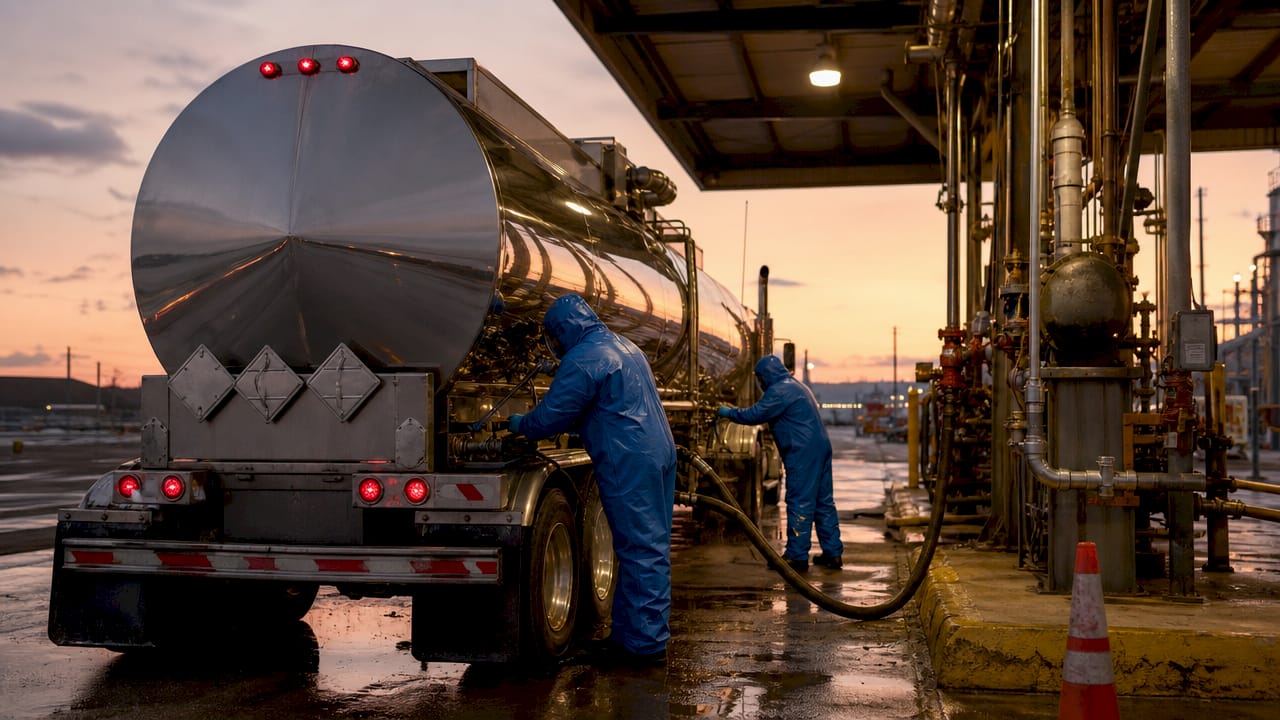
Chemical tankers transport acids, solvents, and other hazardous liquids that would corrode or contaminate a standard tank. The tank body uses stainless steel or chemically resistant lined steel, and every fitting, valve, and seal is rated for the specific chemical being carried. Operators must hold both N and H CDL endorsements to legally haul these loads.
The DOT-407 and DOT-412 specifications govern most chemical tankers, setting pressure thresholds and material compatibility requirements. Misapplying a DOT-406 petroleum tanker to a chemical load violates federal regulations and voids insurance coverage. Chemical tankers also require placarding under 49 CFR Part 172, adding a layer of compliance that fleet managers must track per shipment.
3. Food-grade tankers: sanitation above all else
Food-grade tankers carry milk, juice, wine, edible oils, and liquid sweeteners. The interior finish is polished 316L stainless steel with a smoothbore design, meaning no internal baffles or welds that could trap bacteria. Sanitary finishes prevent microbial growth and are required by FDA food safety regulations.
The smoothbore design creates a handling challenge that operators often underestimate. Because there are no internal baffles, liquid moves freely inside the tank during braking and cornering. Liquid surge in smoothbore tanks demands 20–30% more braking distance compared to baffled liquid tanks. Driver training for food-grade routes must address this dynamic directly, not as an afterthought.
Food-grade tankers are the easiest entry point for new tanker drivers because they require only the N endorsement, avoiding the stricter hazmat background check and testing requirements tied to the H endorsement.
4. Petroleum tankers: fuel delivery workhorses
Petroleum tankers move fuel from refineries and terminals to gas stations, airports, and residential heating customers. The tank body is typically aluminum, which keeps the empty weight low and maximizes payload capacity within legal gross vehicle weight limits. Petroleum tankers weigh between 8,500 and 9,000 lbs empty, making them among the lighter tanker types.
Internal bulkheads divide the tank into multiple compartments. This design reduces liquid surge during transit and allows a single truck to deliver multiple fuel grades in one run. Petroleum tankers require both N and H CDL endorsements because fuel is classified as a flammable hazardous material under DOT regulations.
5. Pneumatic (dry bulk) tankers: not just for liquids
Pneumatic tankers transport dry bulk materials, not liquids. Cement, flour, plastic pellets, and fly ash all move in these pressurized aluminum or steel tanks. Unloading uses compressed air to push material through discharge pipes into silos or storage bins, eliminating the need for mechanical conveyors at the destination.
Pneumatic tankers are a practical alternative when a fleet needs bulk transport capacity but wants to avoid the handling risks associated with liquid surge. The pressurized unloading system requires a working knowledge of air compressor operation and discharge line management, which adds a training requirement for drivers transitioning from liquid tanker routes.
6. Cryogenic tankers: the most demanding category
Cryogenic tankers carry liquefied gases including liquid nitrogen, liquid oxygen, liquid argon, and liquefied natural gas. The tank uses a double-wall stainless steel construction with vacuum insulation between the walls, functioning like a large industrial thermos. Cryogenic tankers weigh up to 18,000 lbs empty, the heaviest of all tanker types.
The complexity of the insulation and pressure management systems makes cryogenic units the most expensive tanker category. Used cryogenic tankers range from $60,000 to over $150,000, compared to $25,000 to $55,000 for used petroleum tankers. Fleet operators entering this segment need to factor in specialized maintenance contracts and driver certification for cryogenic cargo handling.
7. Rigid tank trucks versus semi-trailer tankers
Rigid tank trucks, commonly called bobtails, have the tank permanently integrated onto the truck chassis. They are built for local and regional distribution where maneuverability matters more than volume. Bobtails are common in propane delivery, fuel oil distribution, and food-grade local routes.
Semi-trailer tankers handle large-volume, long-haul transportation, with capacities ranging from 5,000 to over 10,000 gallons. The modular tractor-trailer design lets operators swap trailers between tractors, increasing asset utilization and reducing downtime when a tractor needs service. For fleet operators running interstate routes, semi-trailer tankers deliver a clear operational advantage over rigid units.
Key structural differences:
- Rigid tank trucks: Fixed tank on chassis, lower capacity, suited for urban and suburban delivery routes
- Semi-trailer tankers: Detachable tank trailer, higher capacity, suited for long-haul and high-volume distribution
- Operational flexibility: Semi-trailers allow one tractor to pull multiple trailers across a week, reducing idle asset time
- Regulatory weight limits: Both configurations must comply with federal bridge formula weight limits, but semi-trailers distribute weight across more axles
8. Comparing tanker specifications: materials, capacity, and cost
Fleet operators evaluating different tanker truck models need to compare four variables: tank material, capacity, CDL requirements, and purchase cost. These factors determine cargo compatibility, driver availability, and total cost of ownership.
| Tanker Type | Tank Material | Capacity Range | CDL Endorsements | Used Price Range |
|---|---|---|---|---|
| Chemical | Stainless/lined steel | Varies by DOT spec | N + H | Not publicly listed |
| Food-grade | 316L stainless (polished) | Varies by body size | N only | Not publicly listed |
| Petroleum | Aluminum | Multi-compartment | N + H | $25,000–$55,000 |
| Pneumatic | Aluminum or steel | Varies by body size | N only | Not publicly listed |
| Cryogenic | Double-wall stainless | Varies by gas type | N + H | $60,000–$150,000+ |
Material choice directly affects which cargo a tanker can legally carry. Switching a chemical tanker to food-grade service is rarely practical. Full decontamination to convert a chemical tanker to food-grade use is difficult, costly, and often blocked by sanitation laws and insurance terms. Buy the right tanker for the cargo from the start.
Pro Tip: When evaluating used tanker trailers, verify the DOT specification plate on the tank before purchase. A DOT-406 petroleum tanker cannot legally substitute for a DOT-407 chemical tanker, regardless of condition.
9. How to choose the right tanker for your logistics needs
The right tanker type depends on three factors: cargo class, transport distance, and regulatory compliance. Getting any one of these wrong creates operational and legal exposure.
Cargo class is the first filter. Cross-utilizing tanker types leads to contamination, safety violations, and insurance voidance. A petroleum tanker cannot haul food-grade liquids. A food-grade tanker cannot haul hazardous chemicals. These boundaries are not flexible.
Transport distance determines the chassis configuration. Rigid bobtails suit local and regional routes under 150 miles. Semi-trailer tankers suit interstate and long-haul routes where volume and asset utilization matter. For domestic short-haul chemical freight, tank trucks offer speed and direct delivery advantages over ISO tank alternatives.
Compliance and insurance are the final check. Operators running hazardous cargo need drivers with both N and H endorsements and must maintain DOT-compliant placarding and documentation per shipment. Pneumatic tankers offer a lower-risk entry into bulk transport for fleets that want volume capacity without liquid surge or hazmat complexity.
Key takeaways
The most effective tanker truck selection matches the specific cargo class to a purpose-built tank type, then aligns chassis configuration with transport distance and CDL compliance requirements.
| Point | Details |
|---|---|
| Five core tanker types | Chemical, food-grade, petroleum, pneumatic, and cryogenic each serve a distinct cargo class. |
| CDL endorsements matter | Food-grade requires N only; chemical, petroleum, and cryogenic require both N and H endorsements. |
| Rigid vs. semi-trailer | Rigid bobtails suit local routes; semi-trailers handle long-haul, high-volume distribution. |
| Never cross-utilize tankers | Switching cargo types between tanker classes risks contamination, legal penalties, and insurance voidance. |
| Cost scales with complexity | Cryogenic tankers cost two to three times more than petroleum tankers due to insulation and pressure systems. |
What I've learned about tanker truck selection after years in the field
Fleet operators consistently underestimate how unforgiving tanker specialization is. The assumption that a clean, well-maintained tank can carry different cargo types with a thorough wash is wrong. Sanitation law and insurance policy language make cross-utilization between chemical and food-grade tankers nearly impossible in practice, not just inadvisable.
The liquid surge issue in smoothbore food-grade tanks is another area where operators get caught off guard. Drivers moving from baffled petroleum tankers to smoothbore food-grade units need specific retraining on braking distance and cornering speed. The physics are genuinely different, and the consequences of ignoring that difference show up in accident reports.
My honest recommendation for fleet operators building out a tanker division: start with the cargo type you know best, buy purpose-built equipment for that cargo, and resist the temptation to run mixed cargo on the same unit to fill capacity gaps. The short-term revenue gain from cross-utilization rarely covers the long-term cost of a contamination claim or a voided insurance policy.
Cryogenic is the one segment where I see operators most frequently underestimate total cost of ownership. The purchase price is only the beginning. Maintenance contracts, specialized driver certification, and the pressure management complexity add up fast. Enter that segment with eyes open and a clear customer base already secured.
— Dave
Tanker trucks available on Sostruckforsale
Finding the right tanker truck for your fleet starts with having access to a broad, current inventory across all major tanker categories.
Sostruckforsale lists tanker trucks for sale across chemical, petroleum, food-grade, and dry bulk configurations, with options spanning rigid bobtails and full semi-trailer units. Whether you are sourcing a single petroleum delivery truck for a regional fuel distributor or expanding a multi-unit fleet with long-haul semi-trailer tankers, the listings on Sostruckforsale give you the inventory depth to compare specifications, price points, and configurations before committing. Browse current listings at Sostruckforsale to find tanker units matched to your cargo class and operational range.
FAQ
What are tanker trucks used for?
Tanker trucks transport bulk liquids, gases, and dry materials including fuel, food-grade liquids, chemicals, liquefied gases, and dry powders. Each tanker type is purpose-built for a specific cargo class and cannot be freely substituted.
What CDL endorsements do tanker truck drivers need?
Tanker drivers need at minimum the N (tanker) endorsement. Drivers hauling hazardous materials, including petroleum, chemicals, and cryogenic gases, also need the H (hazmat) endorsement. Food-grade tanker drivers typically require only the N endorsement.
How much does a tanker truck cost?
Cost varies significantly by type. Used petroleum tankers range from $25,000 to $55,000. Used cryogenic tankers range from $60,000 to over $150,000 due to insulation and pressure system complexity.
Can you use one tanker for multiple cargo types?
No. Cross-utilizing tanker types creates contamination risk, violates DOT regulations, and voids insurance coverage. Chemical and food-grade tankers must be used strictly for their designated cargo class.
What is the difference between a rigid tank truck and a semi-trailer tanker?
A rigid tank truck has the tank fixed to the chassis and suits local and regional routes. A semi-trailer tanker uses a detachable trailer with capacities from 5,000 to over 10,000 gallons, suited for long-haul, high-volume distribution.