
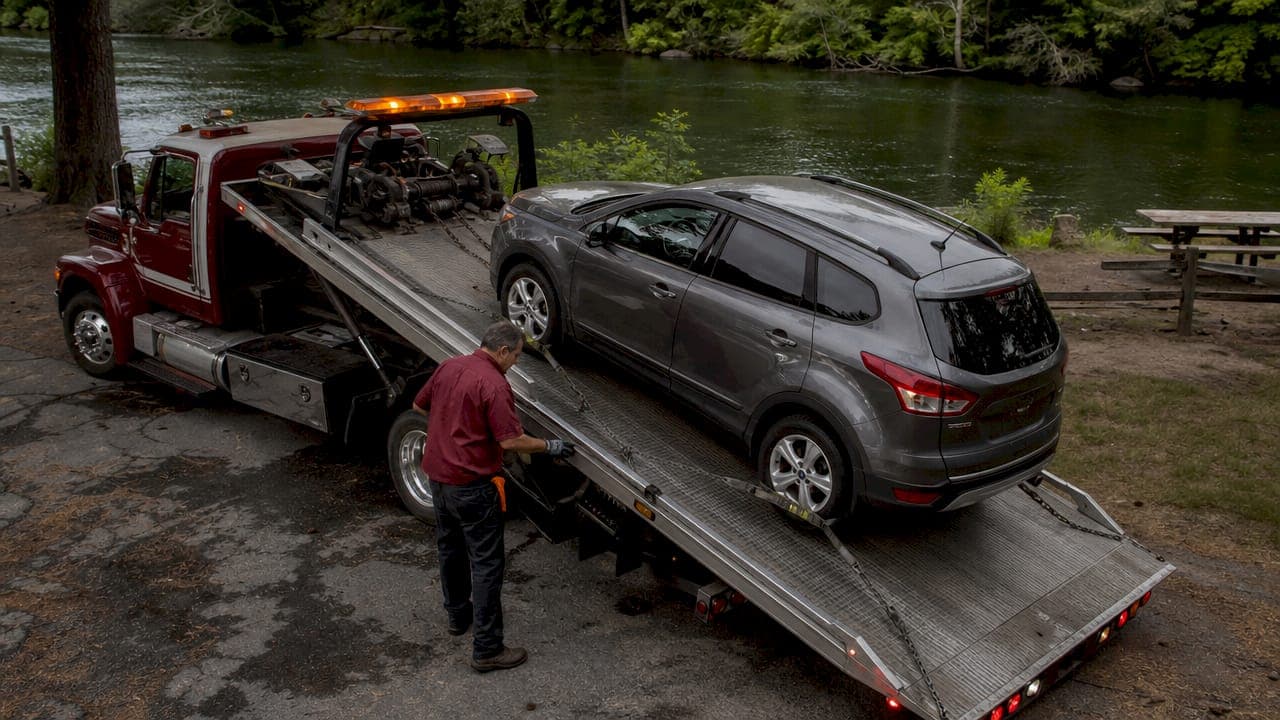
A tow truck is defined as a specialized motor vehicle equipped with hydraulic systems, winches, and boom arms to recover and transport disabled, impounded, or improperly parked vehicles. The industry term for this class of vehicle is "wrecker" or "recovery truck," though "tow truck" remains the standard everyday term across the United States. These vehicles rely on a power take-off (PTO) unit to divert engine power to hydraulic components, making every lift, tilt, and winch operation possible. Understanding how they work and which type fits a given job protects vehicles from costly damage.
What is a tow truck and how is it classified?
A tow truck is a purpose-built recovery vehicle, not a modified pickup or utility truck. Its core equipment includes boom arms, winches, and flatbed platforms, all powered by hydraulic systems that use petroleum-based or synthetic ISO 46 hydraulic oil. That specific fluid grade delivers the pressure and flow rate needed to actuate heavy lifting components without overheating under load.
The tow truck definition covers a wide range of configurations. A light-duty unit might handle a sedan with a simple wheel-lift mechanism. A heavy-duty rotator can recover an overturned semi-truck on a highway. The classification depends on gross vehicle weight rating (GVWR), lifting capacity, and the type of recovery equipment installed.
Tow truck services operate across three main scenarios: roadside breakdown assistance, law enforcement impound operations, and commercial fleet recovery. Each scenario places different demands on the equipment, which is why the industry developed six distinct truck types rather than one universal design.
What are the main types of tow trucks?
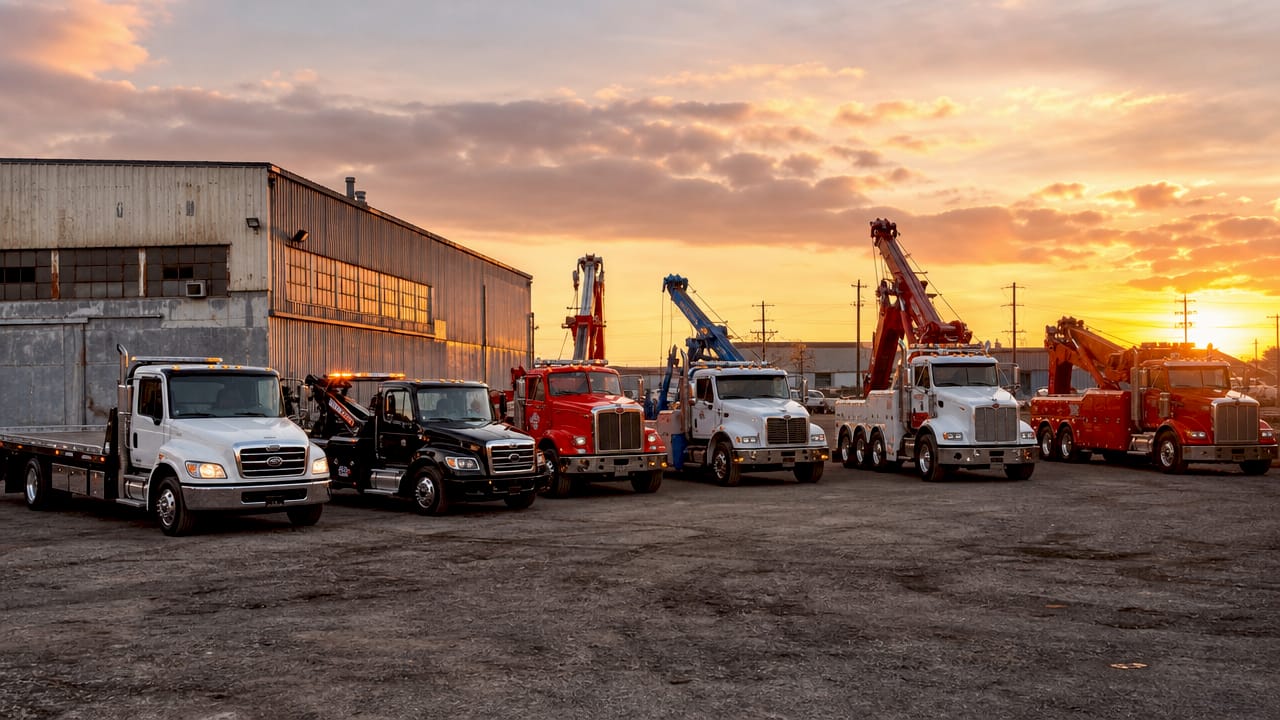
Six primary types of tow trucks exist: flatbed (rollback), wheel-lift, hook-and-chain, integrated wrecker, boom truck, and rotator. Each type suits a specific vehicle weight range and recovery situation.
Flatbed (rollback)
The flatbed uses a hydraulic platform that tilts down to road level, allowing a vehicle to be winched or driven onto the bed. All four wheels leave the ground during transport. This design is safe for luxury vehicles, electric vehicles, AWD, and 4WD configurations, with load capacities reaching 10,000 lbs.
Wheel-lift
The wheel-lift slides a metal yoke under the front or rear wheels and lifts one axle off the ground. It is faster to deploy than a flatbed and works well for standard two-wheel-drive vehicles in urban towing. Two wheels remain on the road during transport, which limits its use with AWD and 4WD drivetrains.
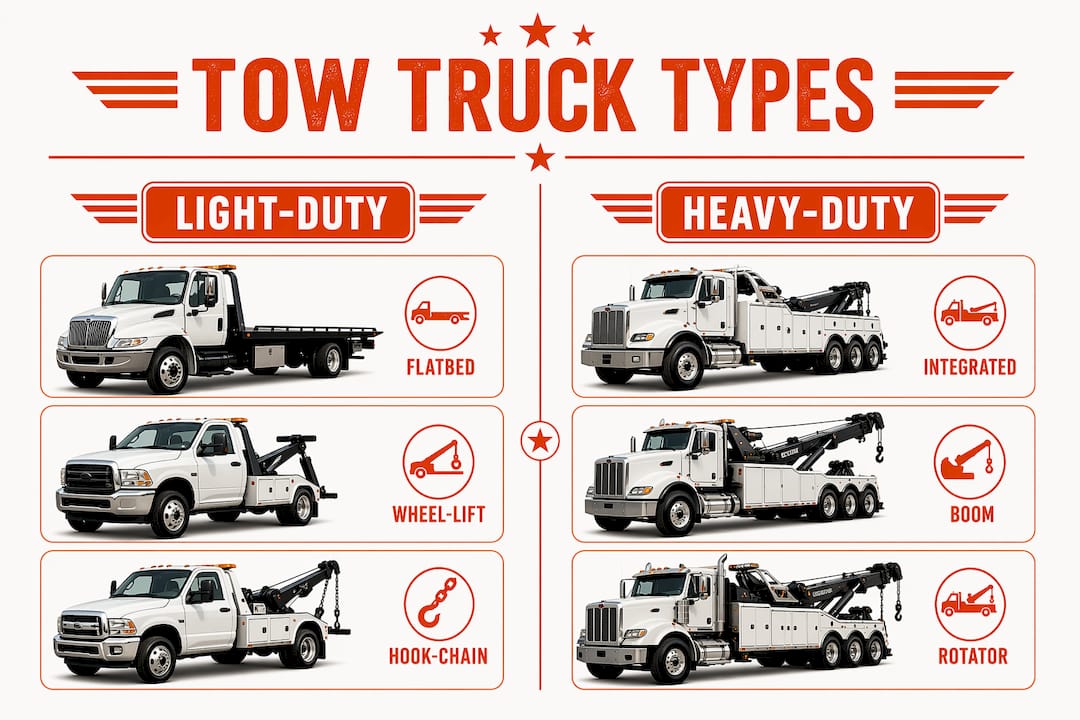
Hook-and-chain
Hook-and-chain trucks use chains looped around the vehicle's axle or frame. They are primarily used for salvage and scrap removal because the chains can scratch bumpers and bend frames on drivable vehicles. Reputable tow operators rarely deploy this type on a vehicle with resale value.
Integrated wrecker
Integrated tow trucks combine a wheel-lift and an underlift boom in one unit. They handle buses, RVs, and commercial vehicles up to 50,000 lbs. The dual-system design allows operators to adapt on-scene without switching equipment.
Boom truck
A boom truck uses an extendable arm to reach vehicles in ditches, embankments, or locations a flatbed cannot access. The boom swings and extends to position a hook or sling under the disabled vehicle. This type is common in rural highway recovery where vehicles leave the road entirely.
Rotator
Rotators carry the highest capacity of any tow truck type. The boom rotates 360 degrees and the truck runs dual winch systems for extreme recovery situations. Capacity ranges from 25 to over 100 tons, making rotators the standard choice for overturned semis, buses, and industrial machinery.
| Type | Capacity | Best use case | Wheels off ground |
|---|---|---|---|
| Flatbed | Up to 10,000 lbs | EVs, AWD, luxury vehicles | All four |
| Wheel-lift | Light to medium | Standard 2WD urban towing | Two |
| Hook-and-chain | Light | Scrap and salvage only | Two |
| Integrated | Up to 50,000 lbs | Buses, RVs, commercial fleets | Two to four |
| Boom truck | Medium to heavy | Ditch and embankment recovery | Varies |
| Rotator | 25–100+ tons | Overturned semis, large machinery | All four |
Pro Tip: Always confirm the vehicle's drivetrain before dispatching a tow truck. AWD and 4WD vehicles require a flatbed or integrated unit with all wheels off the ground to avoid transmission damage.
How does a tow truck work?
The core of every tow truck operation is the power take-off unit, known as the PTO. The PTO is a mechanical coupling on the truck's transmission that diverts engine power to the hydraulic pump. Without PTO engagement, none of the hydraulic functions operate. The driver activates the PTO from the cab before any lifting or tilting begins.
Once the PTO is active, pressurized hydraulic fluid moves through the system to actuate specific components:
- Boom arms extend and retract to position hooks or slings under a vehicle
- Winches use cable tension to pull a disabled vehicle onto the flatbed or into position
- Tilting flatbeds angle down to road level and return to horizontal once the vehicle is loaded
- Underlift mechanisms slide under an axle and lift one end of the vehicle clear of the road
The hydraulic fluid used is typically synthetic or petroleum-based ISO 46 oil. This grade balances viscosity and thermal stability across a wide range of operating temperatures. Using the wrong fluid grade causes pressure loss and premature wear on pump seals.
Operators control all hydraulic functions from a panel on the truck's exterior or from in-cab controls on integrated and repo-style units. Precision matters because an uncontrolled boom swing or a too-fast flatbed tilt can damage the vehicle being recovered or injure bystanders.
Pro Tip: The PTO must be disengaged before the truck moves under its own power. Driving with the PTO active can damage the transmission and hydraulic pump simultaneously.
Why does choosing the right tow truck type matter?
Matching the tow truck type to the vehicle's drivetrain is not optional. It is the single most important decision in any recovery operation. Using a wheel-lift or hook-and-chain on an AWD vehicle risks transmission damage that costs thousands of dollars to repair. The drivetrain on an AWD system expects all four wheels to rotate at the same speed. Lifting only two wheels while the others roll on the road forces the drivetrain to absorb rotational strain it was never designed to handle.
Electric vehicles carry an additional risk. Their motors connect directly to the wheels, and rolling those wheels while the vehicle is off generates back-EMF in the motor windings. Flatbed towing eliminates that risk entirely because all four wheels stay off the road.
The condition of the vehicle also determines the right approach:
- Drivable vehicles with minor damage can use wheel-lift or flatbed depending on drivetrain
- Non-drivable vehicles with severe damage require a flatbed or boom truck to avoid further structural stress
- Vehicles in unusual positions (ditches, embankments, on their side) require a boom truck or rotator
Operators recommend flatbeds for all high-value, luxury, or technologically complex vehicles as a default. The cost difference between a flatbed call and a wheel-lift call is small compared to the repair bill from a damaged AWD transfer case.
What do specialized tow trucks do in heavy-duty recovery?
Heavy-duty recovery operations go well beyond moving a stalled sedan off a highway shoulder. Rotator tow trucks handle the most complex scenarios in the industry. Their 360-degree boom rotation and dual winch systems allow operators to right an overturned semi-truck, recover a bus that has gone off a bridge approach, or extract industrial machinery from a construction site.
Real-world examples of heavy-duty tow truck equipment include the ISUZU GIGA 50-ton rotator and the Peterbilt 389, which runs engines producing 500–600 hp and 2,000 lb-ft of torque. That power output is necessary because a loaded semi-truck can weigh over 80,000 lbs, and righting one on a slope requires both brute force and precise boom control.
Boom trucks fill the gap between standard towing and full rotator deployment. When a vehicle slides into a ditch or down an embankment, a flatbed cannot reach it. The boom truck's extendable arm positions a recovery hook at angles and depths that no other equipment can match. This makes boom trucks standard equipment for state highway patrol fleets and commercial recovery contractors.
The distinction between standard towing and heavy-duty recovery also involves crew size and time on scene. A flatbed call takes one operator and under 15 minutes. A rotator recovery of an overturned semi can require two operators, traffic control, and several hours of rigging work.
Key Takeaways
A tow truck is a hydraulic recovery vehicle, and matching its type to the vehicle's drivetrain and condition is the most critical factor in any safe towing operation.
| Point | Details |
|---|---|
| Tow truck definition | A specialized motor vehicle using hydraulic systems and PTO to recover and transport vehicles. |
| Six core types | Flatbed, wheel-lift, hook-and-chain, integrated, boom truck, and rotator each serve different recovery needs. |
| PTO drives all functions | Without PTO engagement, no hydraulic lifting, winching, or tilting operates. |
| Flatbed is safest for AWD and EVs | All four wheels stay off the road, preventing drivetrain and motor damage during transport. |
| Heavy-duty rotators handle 25–100+ tons | Used for overturned semis, buses, and industrial machinery requiring 360-degree boom control. |
The shift I've seen in tow truck technology
The move away from hook-and-chain to modern hydraulic recovery systems is the most significant change I've observed in this industry over the past two decades. Hook-and-chain was the default for most of the 20th century. It was fast, cheap, and brutal on vehicles. Modern flatbeds and integrated wreckers changed the standard entirely.
What surprises most people is how often the wrong truck still gets dispatched. A driver shows up with a wheel-lift for an AWD crossover because it was the closest unit available. The vehicle owner doesn't know the difference until the repair bill arrives. The shift to hydraulic precision is real, but operator training and dispatch protocols haven't always kept pace with the equipment.
My practical advice for vehicle owners: always ask the dispatcher which type of truck is coming and confirm it matches your drivetrain. For businesses managing a fleet, specify flatbed-only service in your roadside assistance contracts for any AWD or electric vehicles. That one clause prevents the most common and expensive towing mistake in commercial fleet operations.
— Dave
Tow trucks available on Sostruckforsale
Sostruckforsale lists a wide range of commercial and heavy-duty vehicles, including tow trucks and recovery equipment across multiple configurations and capacity classes.
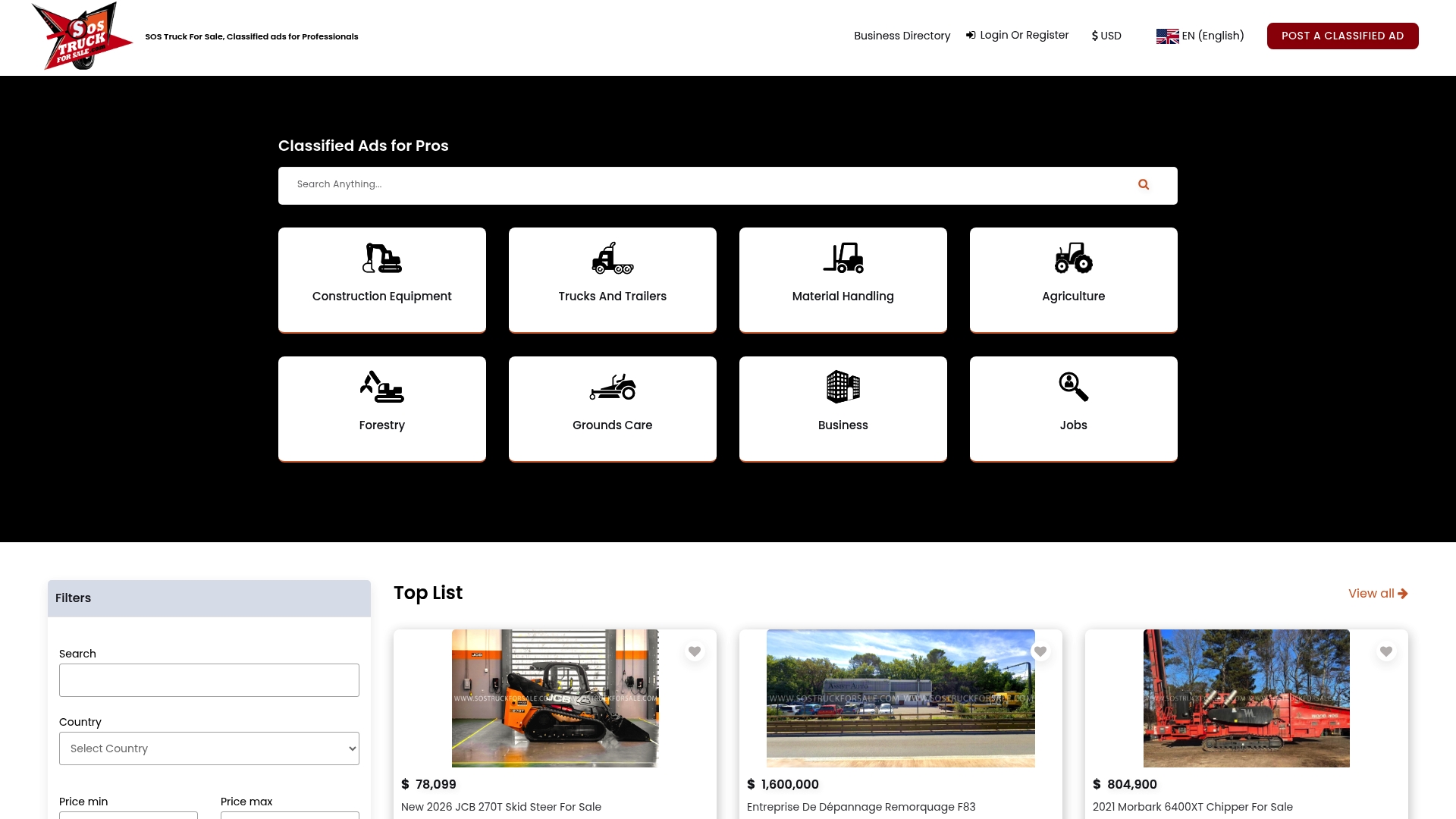
Whether you need a light-duty flatbed for a small fleet or a heavy-duty rotator for large-scale recovery work, browse tow trucks on Sostruckforsale to compare specifications, capacities, and pricing from verified sellers. The platform covers everything from entry-level wheel-lift units to full rotator rigs, giving buyers the detail they need to make a confident purchase decision.
FAQ
What is the tow truck definition in the trucking industry?
A tow truck is a motor vehicle equipped with hydraulic systems, winches, and boom arms to recover and transport disabled or impounded vehicles. The industry also refers to these vehicles as wreckers or recovery trucks.
How does a tow truck's PTO system work?
The power take-off (PTO) is a mechanical coupling on the truck's transmission that diverts engine power to the hydraulic pump. Activating the PTO enables all boom, winch, and flatbed tilting functions.
What type of tow truck is safest for AWD and electric vehicles?
A flatbed tow truck is the safest option for AWD, 4WD, and electric vehicles because all four wheels stay off the road during transport, preventing drivetrain and motor damage.
What is the heaviest load a tow truck can handle?
Rotator tow trucks handle the heaviest loads, with capacity ranging from 25 to over 100 tons. These units are used for overturned semis, buses, and large industrial machinery recovery.
When should a hook-and-chain tow truck be used?
Hook-and-chain trucks are appropriate only for salvage and scrap vehicle removal. They risk bumper and frame damage on drivable vehicles and are not recommended for any vehicle with resale or operational value.