
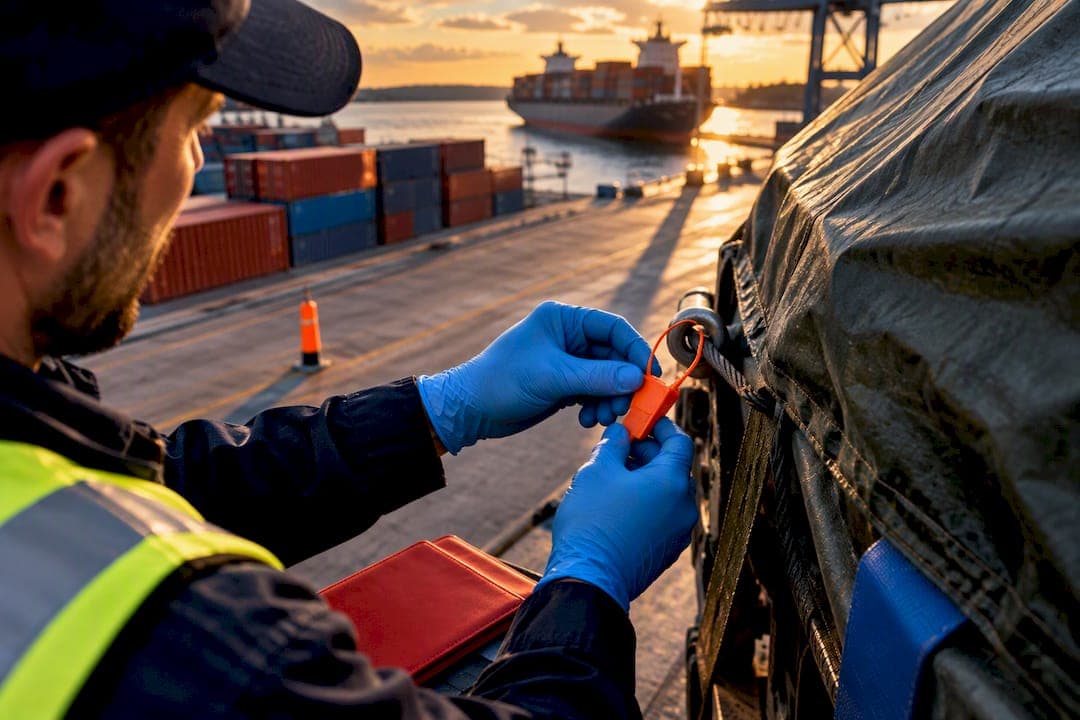
Dealers can sell equipment to international buyers, and the process works when three things happen before any money changes hands: confirm the destination country's import requirements, decide who will act as importer of record, and gather the title, VIN, and export documents. Skip any one of these steps and a shipment can stall at the port, sometimes for weeks.
TL;DR:
- Confirm the destination country's import requirements, appraise who will act as importer of record, and gather essential documents before accepting any payment.
- Use suitable sales channels based on equipment type and age, such as marketplaces for heavy machinery or dealer networks for depreciated inventory.
- Prepare all necessary export paperwork, including invoices, bill of lading, packing list, and destination-specific documents like fumigation certificates or certificates of origin, beforehand.
- Establish who handles customs clearance and ensure a detailed, itemized landed-cost breakdown is obtained before finalizing the sale, not after shipping.
- Verify that vehicle titles, VINs, and export documentation are ready and properly presented at the port to prevent delays caused by paperwork issues.
Table of Contents
- Where international equipment buyers find their next machine
- Export documents you need before accepting payment
- Who handles customs and what landed cost really includes
- Getting titles and VINs ready for export
- Choosing a broker and screening the buyer on the other end
- What years of equipment listings have taught us about export mistakes
- List your equipment where international buyers are already looking
- Sources
- FAQ
Where international equipment buyers find their next machine
International buyers source equipment through a handful of predictable channels, and each one comes with a different logistics profile. Specialized equipment marketplaces put listings in front of overseas buyers actively searching by category, price, and country, which makes them a strong starting point for dealers with used inventory in construction, agriculture, or material handling. Dealer networks and export brokers bring pre-qualified buyers but usually take a commission or margin. Direct corporate buyers, often fleet operators or contractors, tend to move faster on payment but expect the seller to explain import steps clearly.
- Heavy equipment (excavators, cranes, wheel loaders) tends to move well through marketplaces and export brokers who already handle oversized freight.
- Smaller specialized machinery (attachments, compact utility equipment) often sells faster through direct buyer inquiries and dealer referrals.
- Older inventory benefits from broker relationships, since brokers frequently have standing buyers looking for depreciated assets.
Start with the channel that matches your inventory age and category, then layer in a second channel once you see which one produces serious inquiries rather than price shoppers.
Export documents you need before accepting payment
Every international equipment sale runs on paperwork, and missing a single document can hold a shipment at the port longer than the sale itself took to negotiate. Common export documents include a commercial invoice, bill of lading or airway bill, and packing list, and Trade.gov notes that additional documents are often required depending on the destination country.
- Issue a pro forma invoice once terms are agreed, so the buyer can arrange financing or a letter of credit.
- Prepare the commercial invoice with accurate value, description, and harmonized code once payment terms are confirmed.
- Confirm the bill of lading or airway bill details with your freight forwarder before the equipment ships.
- Complete the packing list with weights, dimensions, and serial numbers for each unit.
- Ask the buyer or freight forwarder directly about destination-specific paperwork rather than guessing.
Some countries require documents beyond the core set. Special documents such as fumigation certificates or pre-shipment inspections apply in certain markets, and a certificate of origin, letter of credit, or export license may also be required depending on the equipment type and destination. An ATA Carnet can eliminate duties and taxes on equipment that will be re-exported temporarily within a limited period, which is worth raising with buyers who need machinery temporarily rather than permanently.
- Certificate of origin: confirms where the equipment was manufactured.
- ATA Carnet: covers temporary exports without paying destination duties.
- Fumigation certificate or pre-shipment inspection: required by some destination countries for used machinery.
- Letter of credit: protects payment while documents move between banks.
Build this checklist into your sales process before you list equipment internationally, not after a buyer has already sent a deposit.
Who handles customs and what landed cost really includes
The importer of record is the party legally responsible for filing entry documents and paying duties, and deciding who holds that role should happen before the purchase contract is signed. CBP's importing guide states that goods are not legally entered until they arrive, CBP grants authorization, and estimated duties are paid, which means a buyer who assumes the equipment is theirs the moment it ships is working from the wrong assumption.
CBP also notes that customs brokers are authorized to act as agents for importers, and the documentation required to establish the right to make entry varies by shipment. A quoted "delivered price" can be misleading, since customs valuation, entry, and examination are handled separately from the sale price itself. Insist on an itemized landed-cost breakdown before finalizing terms:
- Equipment price
- Inland freight to port
- Ocean or air freight
- Insurance
- Customs duties and broker fees
- Port handling and examination fees
Pro Tip: Ask the buyer's customs broker for a written landed-cost estimate before you accept a deposit, not after the equipment has already left the yard.
Getting titles and VINs ready for export
Vehicle and self-propelled equipment exports run on stricter timing than general cargo, and title problems cause more delays than freight capacity ever does. CBP's motor vehicle export guidance requires that the vehicle and documentation showing the VIN or PIN be presented to Customs at the port of exportation, and vessel or air exports generally require presentation well in advance before departure to allow for processing.
- Confirm you hold the original title or a certified copy, not a photocopy, before booking freight.
- For salvage titles or foreign-titled equipment, gather any lien releases and manufacturer's statement of origin documentation in advance.
- Photograph the identification plate and VIN or PIN clearly for the freight forwarder's records.
- Send copies of the title, invoice, and VIN documentation to the forwarder and buyer before the equipment reaches the port.
- Confirm the port's specific presentation location and hours, since these vary by location and are not standardized.
Sellers who assemble this packet before listing the equipment avoid the scramble that happens when a buyer is ready to pay but the paperwork is not.
Choosing a broker and screening the buyer on the other end
A good customs broker or freight forwarder has handled heavy equipment before, covers the ports relevant to your buyer's destination, and can produce references from similar shipments. Insurance options matter too: a freight insurance policy that covers the equipment's full value during transit protects both sides if damage occurs at sea or during port handling.
- Ask for references from at least one prior shipment of similar equipment type and size.
- Confirm the forwarder's port coverage matches your buyer's destination.
- Verify what insurance the forwarder offers versus what you need to arrange separately.
- Screen the buyer's company references and confirmed payment method, whether letter of credit or wire transfer.
- Agree in writing who holds importer-of-record responsibility and how destination handling will work.
Incoterms decide who carries customs risk at each stage. FOB shifts responsibility to the buyer once goods clear the port of origin, while DDP puts the seller on the hook for destination duties, which is rarely worth accepting on a first-time international sale.
Pro Tip: Require a deposit before booking freight and the balance before releasing title documents, so payment and paperwork move together rather than one ahead of the other.

What years of equipment listings have taught us about export mistakes

The most common breakdown we see on international equipment sales is not the freight, it is the paperwork sellers assumed would sort itself out later. A seller lists a machine, a buyer overseas expresses interest, and only after a deposit lands does anyone ask who holds the original title or who is filing the customs entry. Assigning importer of record after the equipment has already shipped is one of the most avoidable mistakes in the business, and it is also one of the most frequent.
Use the checklists above as a working document, not a reference to skim once. Confirm destination rules, lock in the importer of record, and have title and VIN documentation ready before you post the listing, not after a buyer responds.
— Dave
List your equipment where international buyers are already looking
A specialized equipment listing website gives sellers exposure across construction equipment, trucks and trailers, material handling, agriculture, forestry, and grounds care categories, plus a dealer directory that puts inventory in front of buyers searching by category and country.
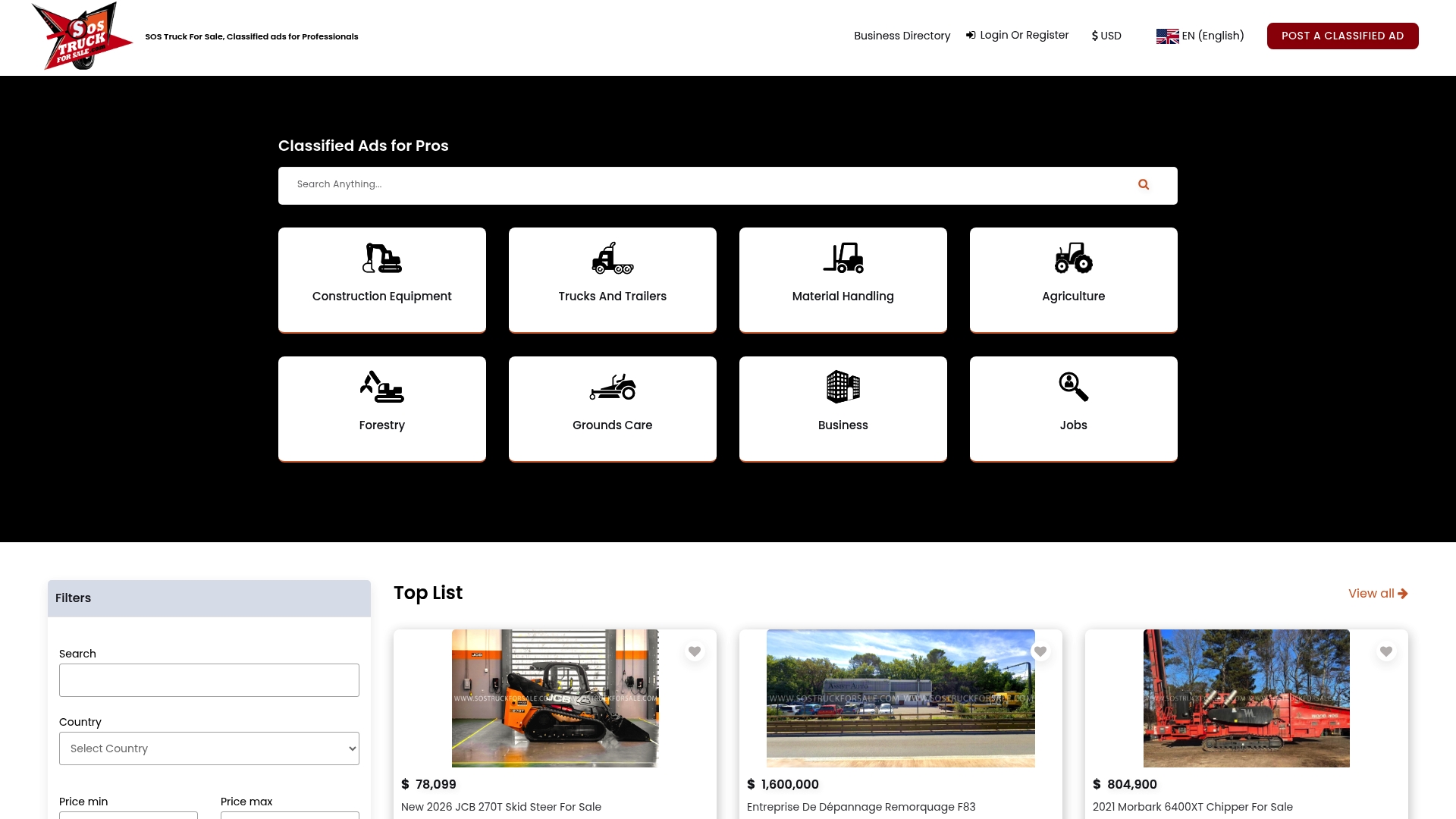
To get started, prepare your equipment photos, specifications, and location details, then list your equipment directly. Logistics, customs entry, and destination compliance remain the responsibility of the seller and buyer to arrange.
Sources
FAQ
Who is responsible for customs clearance on an international equipment sale?
The importer of record is legally responsible for filing entry documents and paying duties, and this role should be assigned in writing before the sale closes. A customs broker can act as an agent for the importer, but the underlying responsibility still belongs to whichever party the contract names.
What documents does a seller need before shipping equipment overseas?
At minimum, sellers need a commercial invoice, packing list, and bill of lading or airway bill, which Trade.gov lists as the core export documents. Depending on the destination, a certificate of origin, ATA Carnet, or special documents like a fumigation certificate may also be required.
How far in advance do I need title documents for a vehicle export?
CBP requires the vehicle and VIN or PIN documentation to be presented at the port of export, and vessel or air exports generally need this presentation at least 72 hours before departure. Sellers should confirm they hold the original title or a certified copy well before booking freight.
How can I verify an international buyer before shipping equipment?
Ask for company references, confirm the payment method such as a letter of credit or verified wire transfer, and get written agreement on who holds importer-of-record responsibility. A buyer unwilling to confirm these details in writing is a signal to slow the deal down.
Does Sostruckforsale handle export logistics for sellers?
Sostruckforsale provides listing exposure and a dealer directory so sellers can reach international buyers, but logistics, customs entry, and compliance remain the responsibility of the seller and buyer. Sellers should arrange their own freight forwarder and customs broker for each transaction.