
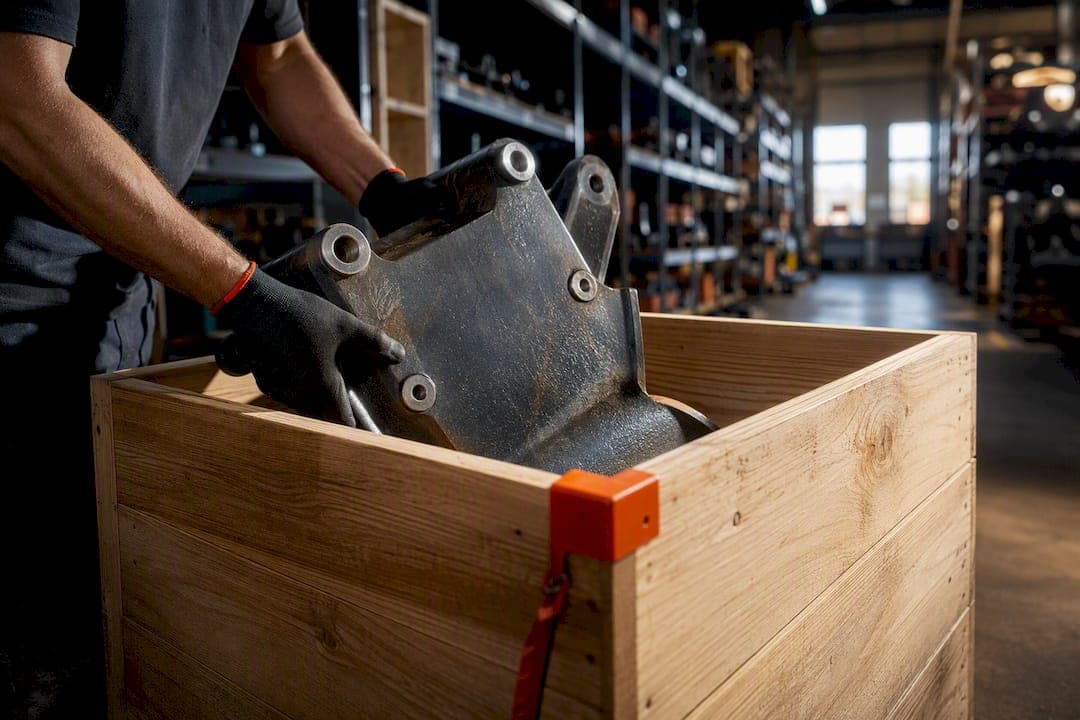
The fastest way to sell heavy equipment parts is to list well-documented components on a targeted parts marketplace, or accept an outright offer from a vetted buyer when speed matters more than top dollar. Before either option, photograph the part number, tag, and serial data, and state condition honestly. There are marketplaces built for exactly this transaction.
TL;DR:
- Listing well-documented parts with clear tags, photographs, and honest condition details can significantly increase sale prices and reduce buyer questions.
- Selling to direct buyers or salvage yards offers faster payment but generally yields lower prices than listing on targeted parts marketplaces.
- Proper preparation includes testing, cleaning, inventory tracking, and accurate documentation to avoid returns and legal issues.
- Shipping large or heavy parts requires careful packing, securing, and transparent freight costs to prevent revenue loss.
- Selling entire machines often surpasses parting out in value but depends on the machine’s condition, demand for specific components, and your available time.
Table of Contents
- Where to Sell Heavy Equipment Parts: Comparing Your Options
- How to Prepare Parts for Sale the Right Way
- How Buyers Value Used Heavy Equipment Parts
- Writing Listings That Actually Sell
- Shipping and Packaging Heavy or Oversized Parts
- Should You Sell the Whole Machine or Part It Out?
- Seller Checklist and Trust Signals to Look For
- How Long It Takes to Sell Parts and Get Paid
- What It Really Costs to Sell Heavy Equipment Parts
- How and When You Get Paid for Sold Parts
- Legal Considerations Before You Sell Equipment Parts
- What Sellers Consistently Get Wrong
- List Your Parts on Sostruckforsale and Reach Buyers Actively Searching
- Sources
Where to Sell Heavy Equipment Parts: Comparing Your Options
Speed, price, and effort trade off against each other in every channel available to you. A targeted parts marketplace typically nets the highest price because it puts your listing in front of buyers actively searching for that exact part number, but it takes more of your time to write descriptions and answer questions.
An outright buyer purchase moves fastest. Salvage yards, rebuild shops, and dealer networks will often quote a price on the spot and pay immediately, though the number is usually lower because they're pricing in their own resale margin and risk.
Consignment or dealer networks fit sellers who want a hands-off process. Some specialized vendors advertise inventory to a global buyer base and handle quoting and buyer communication for a commission, which suits people without time to manage listings themselves.
Auctions work best for volume liquidation or obscure parts with no obvious retail buyer. Use this checklist to decide:
- Need cash this week? Go direct to a buyer.
- Have time and want top dollar? List on a parts marketplace.
- Want zero involvement? Consign it.
- Clearing dozens of odd parts at once? Run them through auction.
How to Prepare Parts for Sale the Right Way
Preparation is what separates a parts offer from a scrap offer. Buyers pay for certainty, and certainty starts with paperwork and photos, not promises.
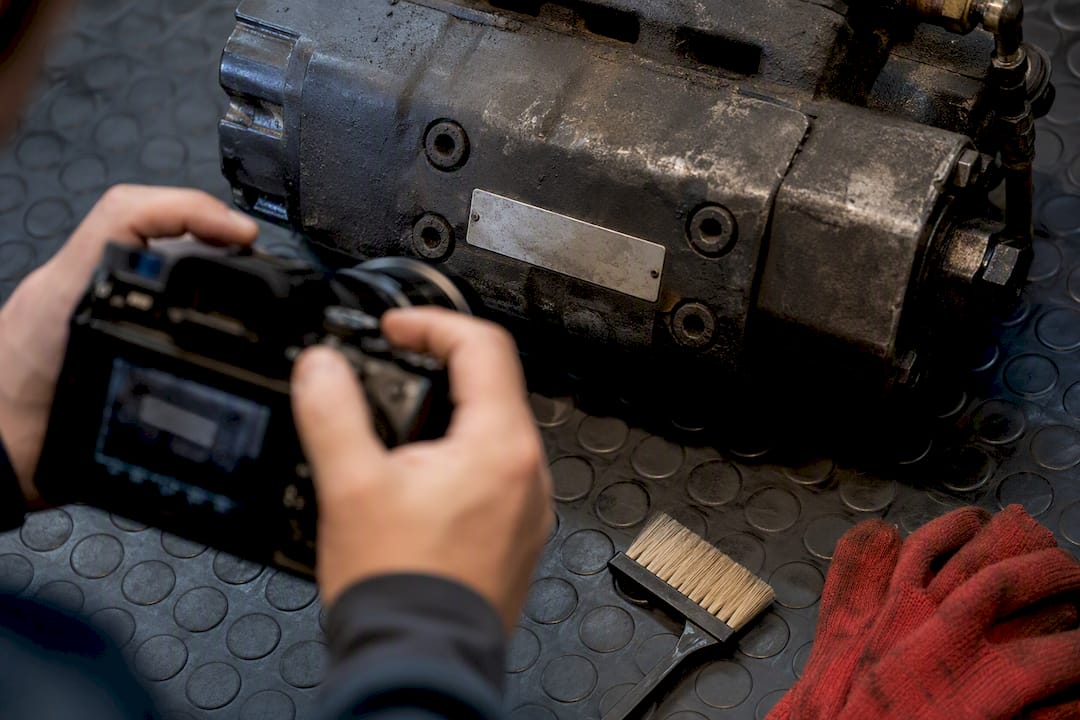
- Locate and photograph every tag. Serial plates, part number stickers, and casting numbers all matter, and a clear photo of a manufacturer tag can be the difference between a scrap quote and a real parts offer, since identification and demand drive most of a part's value.
- Record the donor machine's make, model, year, and hours. This context lets a buyer confirm fitment without a back-and-forth.
- Test what you can test. Run hydraulic cylinders, cycle electronic components, and check compression where applicable, then label each item honestly as working, rebuildable core, or scrap. Selling online gives you the flexibility to adjust listings in real time, but only if the initial description holds up.
- Clean and store parts indoors to prevent rust, cracking seals, and UV damage to plastics and gauges.
- Build an inventory spreadsheet with photos, part numbers, storage location, and asking price for each item.
Pro Tip: Test every component before you list it, not after a buyer asks. A part that fails a bench test after you've called it "working" turns into a return, a refund, and a bad review.
How Buyers Value Used Heavy Equipment Parts
Four factors set the price: identification, demand for that donor machine, physical condition, and completeness. A hydraulic pump with no tag photo is worth scrap weight. The same pump with a clear part number and confirmation it runs can be worth ten times as much, because unidentifiable parts are usually only worth scrap value to most buyers.
Pricing falls into three rough bands:
- Tested, working assemblies command the highest price, especially with paperwork showing hours or service history.
- Rebuildable cores hold moderate value for remanufacturers, since components that test as working always outprice untested cores of the same part.
- Failed or damaged units are typically worth scrap material value only.
Research your price by checking completed marketplace listings for the same part number and by gathering two or three buyer quotes. Before you commit to a number, subtract shipping, marketplace fees, and handling time to know your real net, not just your list price.
Writing Listings That Actually Sell
A strong listing removes every question a buyer would otherwise have to email you about. Structure it the same way every time:
- Title formula: part name, then donor machine make and model, then part number, then condition. Example: "Hydraulic Cylinder, Cat 320 Excavator, Part #2456789, Tested Working."
- Photograph the tag close-up first, then wide shots from four angles, then a photo with a tape measure or common object for scale, and finally any serial numbers visible on the housing.
- State fitment plainly. List which machine models and year ranges the part interchanges with, and note any known cross-reference part numbers.
- Write an honest condition description, including hours if known, any visible wear, and whether you're offering a return window or selling as-is.
Buyers in this category read fast and skip listings with vague titles like "Excavator Part, Good Condition." Specificity is what gets your listing opened.
Shipping and Packaging Heavy or Oversized Parts
Freight is where sellers lose the most money to mistakes. Small components under 150 pounds usually ship as parcel freight. Anything heavier, or anything on a pallet, moves better and cheaper as LTL freight. Full assemblies or multiple large parts often justify a dedicated palletized freight shipment.
- Palletize and shrink-wrap components so nothing shifts in transit.
- Crate anything with exposed fittings, gauges, or glass.
- Drain or secure fluids before shipment; carriers reject leaking items.
- Insure high-value parts and declare accurate value, since packaging heavy components requires different logistics than small retail items.
Quote freight before you list, and state clearly in the listing whether the buyer pays shipping or it's built into your price.
Should You Sell the Whole Machine or Part It Out?
Selling the complete donor machine, even non-running, usually beats parting it out. A complete non-running machine is often worth more than the sum of its individual parts, and you skip labor, storage, and the risk of leftover inventory nobody wants.
Parting out pays off when specific components are in high demand, clearly identifiable, and you have time to market them individually.
- List the whole machine first for a set window, since offering it whole first saves dismantling labor and often produces a higher combined price.
- If it doesn't sell, then part it out.
- Budget for labor, storage space, and dismantling costs against expected part-by-part revenue.
- Watch for leftover inventory risk on parts nobody wants.
Seller Checklist and Trust Signals to Look For
Before you list anything, run through this:
- Photographed every tag, serial number, and part number
- Tested each component and labeled it working, core, or scrap
- Built an inventory spreadsheet with photos and pricing
- Packed a shipping plan for oversized items
- Set a pricing floor after fees and freight
Author Dave and the Sostruckforsale team built this guide around what actually moves parts, not generic advice. The equipment listing category templates and the full heavy equipment selling checklist both expand on the steps above with more listing examples.
How Long It Takes to Sell Parts and Get Paid
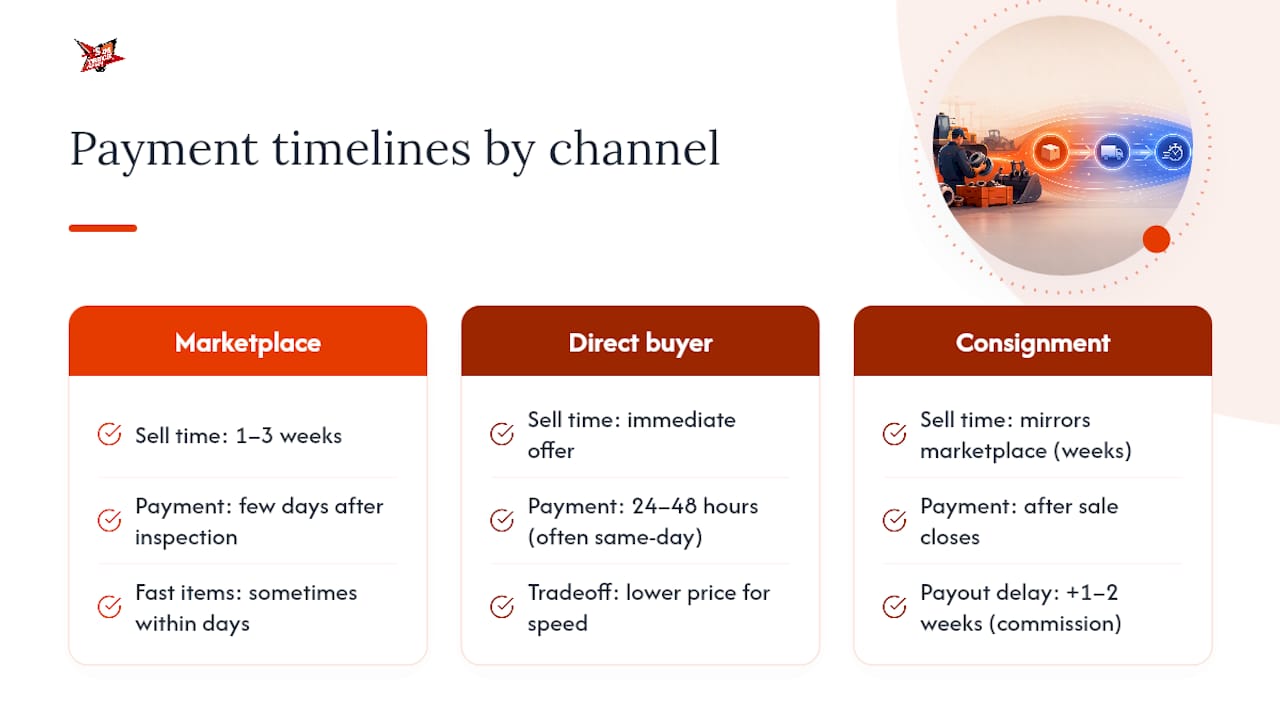
A well-documented part on a targeted marketplace typically sells within one to three weeks. Common items like filters, hoses, and standard hydraulic components move faster, sometimes within days, because demand is constant and buyers are actively searching those part numbers. Rare or high-value assemblies, like a specific transmission or a control module, can take four to eight weeks to find the right buyer, especially if the donor machine has a small population in the field.
Outright buyers compress this timeline dramatically. A salvage yard or dealer network can quote and pay within 24 to 48 hours, though you're trading speed for a lower price. Consignment sits in the middle: vendors handle marketing and buyer calls, but the sale itself still depends on demand for that specific part, so timelines mirror marketplace listings more than direct-buy speed.
Payment timing depends on the channel. Marketplace sales usually process payment within a few days of the buyer receiving and inspecting the item. Direct buyers often pay same-day or within 48 hours by check or electronic transfer. Consignment arrangements typically pay out after the sale closes, minus commission, which can add another week or two to your total timeline.
The biggest variable isn't the channel. It's whether your listing is complete on day one. A part with a clear photo of the tag, an honest condition note, and a fair price sells faster than the identical part listed with a vague title and one blurry photo, regardless of which platform carries it.
What It Really Costs to Sell Heavy Equipment Parts
Every channel takes a cut somewhere, and the total often surprises first-time sellers. Marketplace listing fees vary by platform. Some charge a flat fee per listing, others take a percentage commission only when the item sells, and high-traffic marketplaces frequently charge both a category fee and a final-value commission. If you're running an omnichannel approach, meaning your own storefront plus marketplace listings, you'll manage separate fee structures for each channel you use.
Shipping is usually the largest line item after commission, particularly for anything requiring LTL freight rather than standard parcel service. A single hydraulic cylinder shipped by pallet freight can run into the hundreds of dollars, and that cost either comes out of your net proceeds or gets passed to the buyer as a separate charge. Decide upfront which approach you're using and state it clearly in your listing.
Direct buyers charge no visible fee since their offer already reflects their resale margin.
Packaging materials, insurance on high-value shipments, and payment processing fees (if you accept credit cards) round out the cost picture. A realistic pricing floor accounts for all of it: subtract listing fees, expected commission, shipping, and packaging from your target price before you decide what number actually goes into the listing.
How and When You Get Paid for Sold Parts
Payment methods vary more by channel than by part type. Direct buyers, salvage yards, and dealer networks typically pay upfront: a check, wire transfer, or electronic payment issued at pickup or shortly after. This is the fastest path to cash and carries the least payment risk for the seller, since you're paid before or at the moment the part leaves your hands.
Marketplace sales generally use an escrow-style model, whether that's the platform holding funds until the buyer confirms receipt, or a third-party payment processor releasing funds after a short holding period. This protects both sides: the buyer isn't paying for a part that never arrives, and you're not shipping a part with no payment guarantee. Expect funds to clear a few business days after delivery confirmation.
Consignment arrangements almost always pay on completed sale, with the vendor deducting commission before remitting your share. Some consignors offer net-30 or net-60 payment terms after the sale closes, which is worth confirming before you sign an agreement, since a slow-paying consignor can tie up your proceeds for weeks longer than a marketplace transaction would.
Larger business-to-business transactions, especially bulk part sales to dealers or fleet operators, sometimes involve negotiated net terms similar to standard commercial invoicing. If you're selling components as part of a larger equipment disposition or considering financing structures for bigger transactions, the equipment sale leaseback considerations that CFOs review are worth understanding, since they touch on similar payment and risk timing questions. Whatever method you use, get payment terms in writing before you ship anything.
Legal Considerations Before You Sell Equipment Parts
You need to be able to prove ownership before you sell. Keep your original purchase paperwork, title, or bill of sale for the donor machine on file, and be ready to produce it if a buyer or platform asks. Marketplaces increasingly verify seller identity and ownership documentation for higher-value items, and a buyer who later discovers a part came from a stolen or disputed machine has grounds for a chargeback or legal claim against you.
Export restrictions matter more than most domestic sellers expect. Certain heavy equipment components, particularly those with dual-use applications or specific electronic control systems, fall under export control regulations if a buyer intends to ship them outside the United States. If you're selling to an international buyer, confirm the part isn't subject to restriction and that the buyer is handling any required export documentation on their end.
Environmental regulations can apply to parts containing fluids, refrigerants, or batteries. Drain and properly dispose of or transfer fluids according to state and federal guidelines rather than shipping a part with residual hydraulic fluid or coolant still inside.
Finally, disclose known defects honestly in writing. A listing that misrepresents condition, whether intentionally or through omission, exposes you to a return dispute at minimum and a legal claim at worst. This isn't a substitute for legal advice on your specific transaction, but the baseline is simple: prove you own it, know where it's going, and describe it accurately.
What Sellers Consistently Get Wrong
Identification and photos usually decide whether a part sells for parts value or scrap value, yet most first-time sellers skip the tag photo entirely. The second most common mistake is underestimating freight cost before setting a price, which quietly erases the margin on an otherwise good sale. A close third is parting out a machine before testing whether anyone actually wants those specific components. None of these mistakes are expensive to fix. A tag photo costs nothing, and testing a part before listing takes an afternoon.
— Dave
List Your Parts on Sostruckforsale and Reach Buyers Actively Searching
Some marketplaces specialize in getting well-documented heavy equipment parts in front of buyers who are already searching by part number and machine model, without the overhead of running your own storefront.
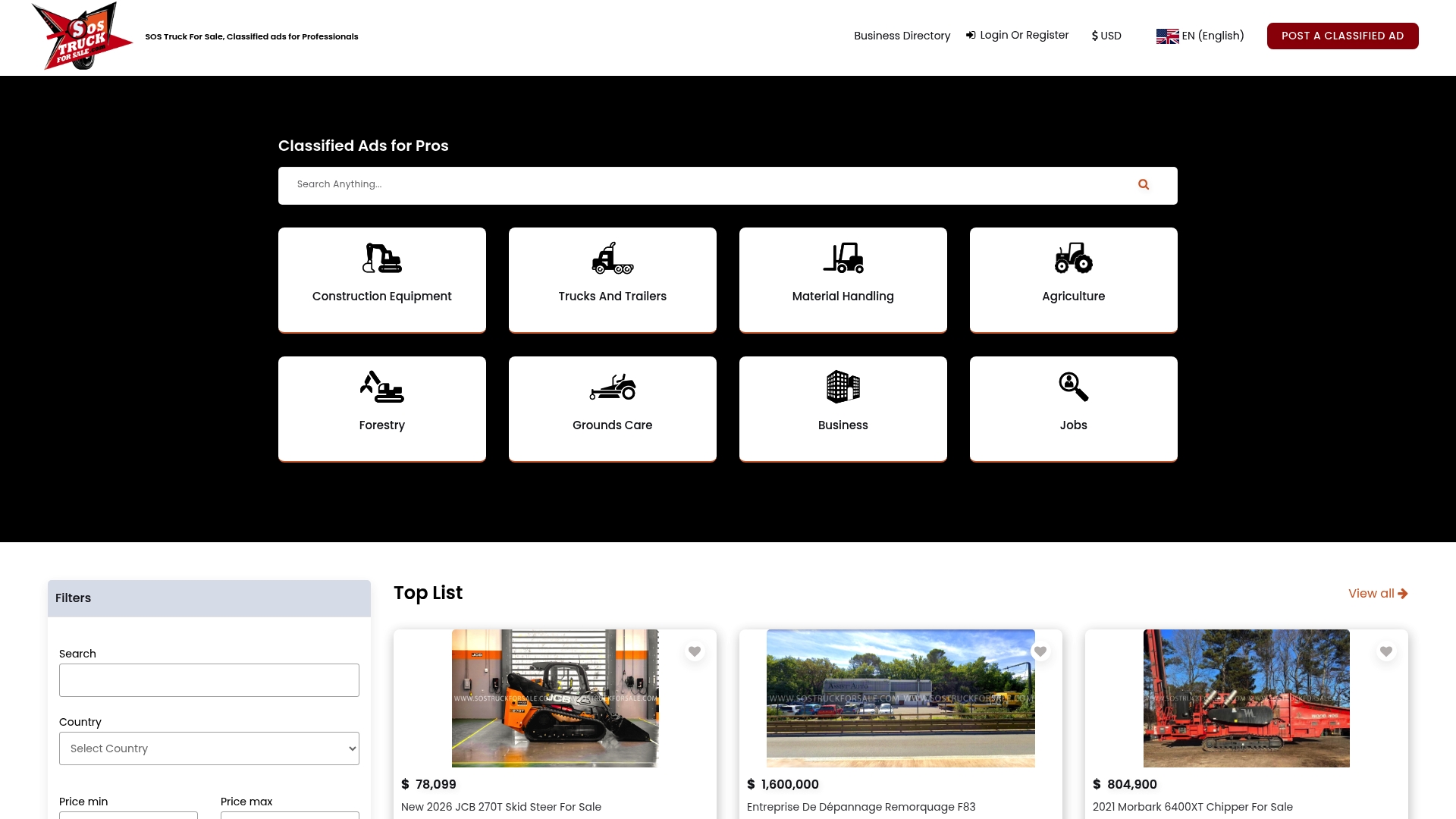
Some online platforms operate as listing hubs for commercial vehicles, heavy equipment, and parts, filtered by category, subcategory, price, and country, helping listings reach buyers who search specific categories rather than getting buried in general classifieds sites. Sellers control their own listing details, from part number to condition notes to asking price, and can adjust as demand shifts. If you've followed the prep steps in this guide, your parts are ready to list. Head to Sostruckforsale to create your listing and start reaching buyers searching for exactly what you have.
Sources
For deeper guidance, see heavy equipment marketplace alternatives and the shipping checklist for sold equipment.
- How to sell auto parts online | BigCommerce
- Quality of salvage heavy equipment parts | Construction Equipment
- Sell Your Parts — What It's Worth & How to Sell It | MachineryBarn