
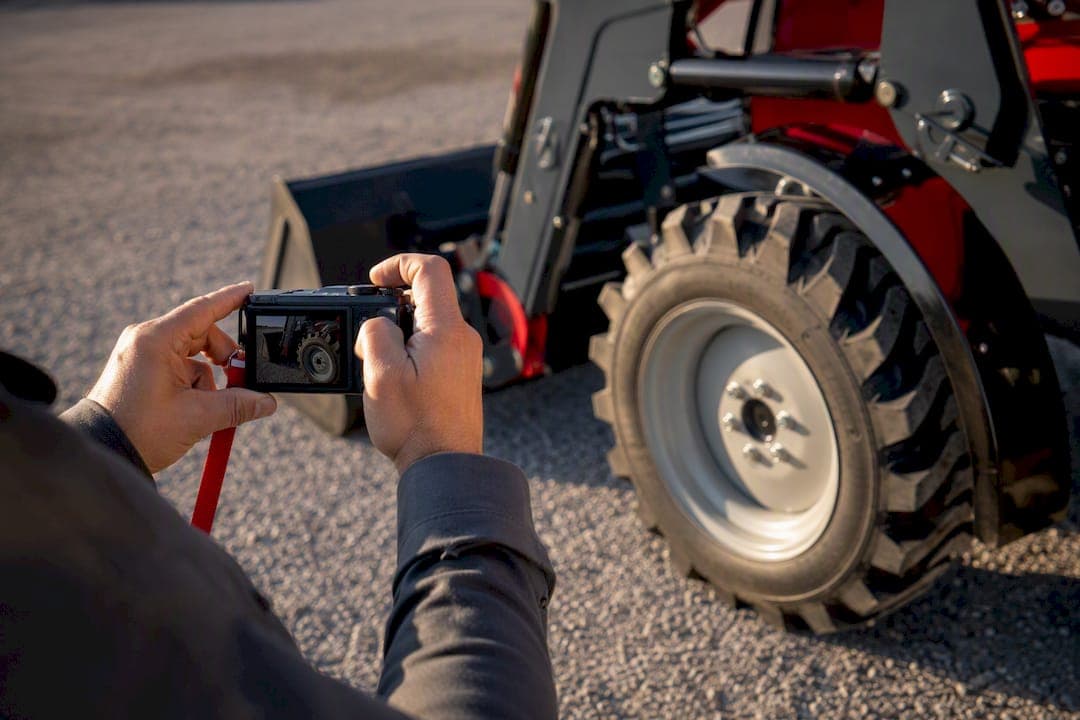
List your tractor on a specialized heavy-equipment marketplace like Sostruckforsale, gather your title and maintenance records now, and shoot ten clear photos before you write a word of the listing. If speed matters more than top dollar, an online auction or a dealer trade-in gets it done faster, just usually for less.
TL;DR:
- Listing on a specialized heavy-equipment marketplace usually yields higher prices and longer wait times than auctions or dealer trade-ins, which are faster but often less profitable.
- Proper presentation, such as thorough cleaning, quick maintenance, detailed photos, and transparent defect disclosure, significantly increases buyer trust and sales speed.
- Accurate pricing relies on recent sold listings and adjusted for condition, attachments, and costs, with the goal of net proceeds rather than asking price.
- Providing comprehensive, honest listing details and verifying buyers help prevent scams and facilitate a smoother, safer sale process.
- Using a targeted marketplace, rather than general classifieds, improves chances of reaching serious, knowledgeable buyers and closing the sale within weeks.
Table of Contents
- What's the Best Way to Sell a Tractor Online?
- How Do You Prepare a Tractor for Sale?
- How Much Is Your Tractor Worth?
- What Should You Include in Your Listing?
- How Do You Safely Close a Tractor Sale?
- Why Sell Your Tractor Through a Specialized Marketplace?
- What Should You Do in the Next Hour?
- Ready to List Your Tractor?
- Sources
What's the Best Way to Sell a Tractor Online?
Your choice of channel depends on one question: do you want the highest price or the fastest close? Specialized marketplaces put your tractor in front of buyers who are already shopping for tractors, not scrolling past it between couches and lawn mowers on a general classifieds site.
- Specialized equipment marketplaces: Targeted buyer traffic, moderate listing fees, typically a few weeks to sell.
- General classifieds (Craigslist, Facebook Marketplace): Free or low cost, mostly local buyers, unpredictable timeline and more lowball offers.
- Online auctions: Fast, often within a few weeks, but seller fees run higher and final price depends on who shows up that day.
- Dealer trade-in or consignment: Fastest and least effort, but usually the lowest net return since the dealer needs margin to resell.
Reaching a large, targeted buyer pool through auction and marketplace networks tends to produce better prices than relying on a handful of local listings. If you need cash quickly, lean toward an auction. If you can wait several weeks for the right buyer, a specialized marketplace listing almost always nets more.
How Do You Prepare a Tractor for Sale?
A tractor that looks cared for sells faster and fields fewer lowball offers. Presentation is consistently ranked as the highest-return prep step any seller can take, ahead of even mechanical repairs.
- Wash and detail it. Pressure-wash the undercarriage, wipe down the cab glass, and clean the engine bay so nothing looks neglected.
- Handle quick maintenance wins. Check battery health, top off fluids, swap a clogged filter, and set tire pressure. These are cheap fixes that buyers notice immediately.
- Shoot your photos. Get a full side profile, the engine bay, the serial number plate, all four tires, the cab interior, and the PTO or 3-point hitch with any attachments.
- Record a short video. A cold start plus 30 seconds of it actually working (mowing, tilling, lifting) does more to build trust than another dozen still photos.
- Gather your paperwork. Pull the title, service records, parts receipts, the owner's manual, and write down the serial number before you list anything.
- Consider a professional inspection. For tractors over $20,000 or anything with unclear maintenance history, a certified inspection report removes buyer doubt before it starts.
Pro Tip: Take your engine and serial number photos in daylight with the tractor parked on flat, clean ground. Buyers zoom in on these two shots more than any others, and a blurry serial number reads as something to hide.
How Much Is Your Tractor Worth?
Pull recent sold listings and closed auction results for your exact make, model, and hour range. Guessing off a couple of local Facebook posts is how sellers leave real money on the table, since auction and marketplace analytics reflect what buyers are actually paying right now, not what someone hopes to get.
- Start with three to five comparable sold listings, not asking prices, since asking prices are just wishes.
- Adjust up for low hours, working attachments, and recent major service; adjust down for worn tires, hydraulic leaks, or a long drive for the buyer to pick it up.
- Factor in your selling costs. Marketplace listing fees, auction commissions, and any transport you're covering all eat into your net.
- Pick a pricing strategy: a firm asking price works for clean, in-demand models; a negotiable range works for older equipment; a reserve or auction starting bid works when you're not sure what the market will bear.
Set your target around net proceeds, not sticker price. A $28,000 firm-price marketplace sale can beat a $31,000 auction hammer price once commission comes off the top.
What Should You Include in Your Listing?
Your listing needs to answer every question a serious buyer has before they pick up the phone. Include the year, make, model, serial number, engine hours, attachments, location, and a direct contact method right at the top.
Structure the description in three parts. Lead with the strongest selling points (low hours, recent overhaul, included attachments), follow with an honest condition report and maintenance history, then close with your terms (price, payment methods accepted, and whether you'll help with transport).
- Front-load specs buyers search for: hours, PTO horsepower, drive type (2WD or 4WD), and tire condition.
- Place your best photo first. Listings with clear photos and a stated serial number see measurably higher buyer engagement than listings without one.
- Keep photo files under 5MB in JPEG format so they load fast on mobile, where most buyers are browsing.
- Disclose known defects, even minor ones like a slow hydraulic leak or a cracked mirror.
Disclosing defects upfront isn't just good practice, it protects you legally if a buyer later claims you hid a known problem. A tractor with an honest three-sentence flaw disclosure often closes faster than one that gets "discovered" during an in-person inspection and blows up the deal.
How Do You Safely Close a Tractor Sale?
Once inquiries start coming in, you need a process that filters out tire-kickers and scammers without scaring off real buyers.
- Vet the buyer first. Ask for a phone call before an in-person visit, and for dealer buyers, check their BBB profile and complaint history before agreeing to terms.
- Watch for red flags. Overpayment offers, requests to ship before payment clears, and buyers who refuse a phone call are the three most common scam patterns.
- Set your walk-away number before you negotiate. Know your minimum acceptable price so a persuasive buyer doesn't talk you below it in the moment.
- Choose secure payment. Wire transfer or an escrow service protects both sides on larger sales; never accept a cashier's check from an unknown buyer and release the tractor before it clears.
- Use escrow for anything over a few thousand dollars, especially with an out-of-state or first-time buyer you haven't dealt with before.
- Complete the paperwork. Sign over the title, provide a bill of sale with the serial number and sale price, and keep copies of everything for your own records.
Why Sell Your Tractor Through a Specialized Marketplace?
A marketplace built around trucks and heavy equipment puts your listing in front of buyers who already know what a 3-point hitch is worth, not casual browsers. That targeted audience is the difference between a listing that sits for months and one that closes in weeks.
- Seller dashboard and listing analytics to see how many buyers viewed your listing and adjust your price accordingly.
- Promoted listing options for sellers who want more visibility during peak buying season.
- A dealer directory and classified structure filtered by category, price, and location, so serious buyers actually find your tractor.
- Additional seller resources and how-to guides covering pricing and listing strategy in more depth.
What Should You Do in the Next Hour?
Grab your phone, wash the tractor if it's dirty, and shoot the engine bay, the serial number plate, and one full working shot. That's the one-hour version of this entire guide. Expect a marketplace sale in 2 to 8 weeks, an auction in 1 to 3 weeks, or a dealer trade in days. If your marketplace listing gets no bites after three weeks, that's your signal to reprice or pivot to auction.
— Dave
Ready to List Your Tractor?
Sostruckforsale gets your tractor in front of buyers who are already searching for heavy equipment, not scrolling past it on a general classifieds feed built for couches and bicycles. That specialization is what separates a listing that sits for two months from one that closes in two weeks.
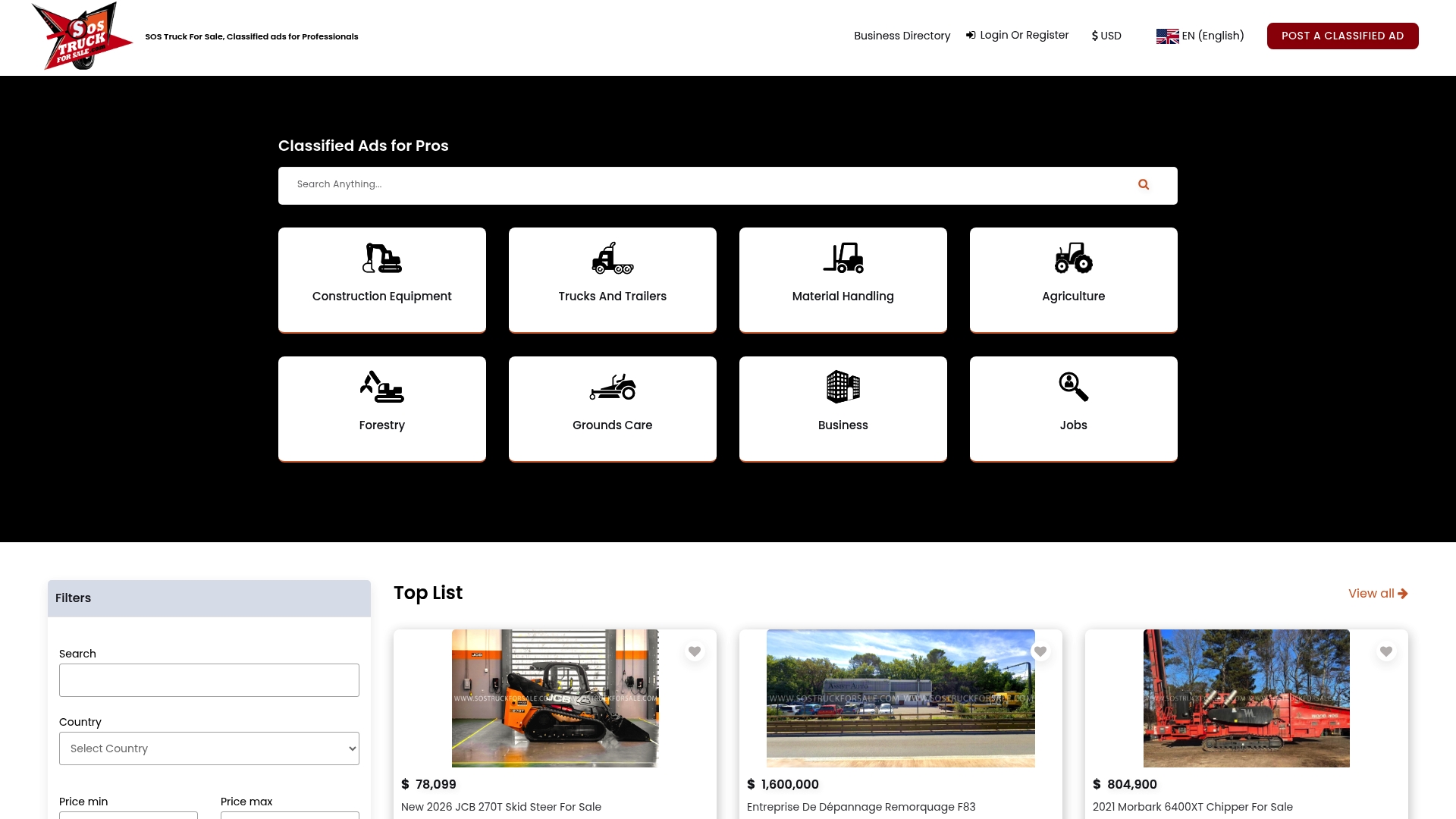
Before you post anything, pull together the checklist from this guide: title, serial number, maintenance records, and your ten best photos. Then head to Sostruckforsale to start your listing, set your price using recent sold comparables, and use the seller dashboard to track how buyers are engaging with your ad so you can adjust before you drop the price. List your tractor today and start fielding real offers from buyers who already know what they're looking for.
Sources
For deeper pricing data, check Ritchie Hub's seller tips, Iron Ag's step-by-step guide, and Tractor Zoom's selling guide for more on auction pricing and listing strategy.
- How to Sell Farm Equipment: 10 Tips for 2026 - Ritchie Hub
- How to sell a tractor in 2024. - Interesting Iron - Tractor Zoom