
The fastest way to sell a crane online is to build a complete listing package first, specs, hours, inspection records, and a full photo and video set, then publish it on a specialist heavy-equipment marketplace built for this exact buyer network. Gather your documents, create a seller account, and get the listing live within a day. Expect steady inquiries within the first one to two weeks if pricing and photos are solid.
TL;DR:
- Having detailed documentation such as serial numbers, inspection reports, and maintenance logs increases buyer confidence and accelerates the negotiation process.
- Professional-grade photos and videos that highlight the crane's condition are crucial, with lists performing better when they include a walkaround video and high-resolution images.
- Listing on specialist marketplaces yields higher engagement from qualified buyers, especially when the crane is tagged correctly and promoted if the timeline is tight.
- Pricing should be based on comparable listings and adjusted for location, condition, and attachments, with net-proceeds calculations guiding realistic expectations.
- Finalizing a sale requires verifying ownership, using secure payment methods, and coordinating transport and legal paperwork before transferring title.
Table of Contents
- Quick Seller Checklist: What To Have Ready Before You List
- How To Prepare The Crane And The Listing So It Sells Faster
- Where To List: Channel Categories And How To Pick One
- Pricing And Valuation: How To Set A Competitive Listing Price
- Transactions, Transport, And Legal Paperwork: Closing Safely
- Consignment And Dealer Sale Options: When To Hand It Off
- What Actually Separates A Fast Sale From A Stalled Listing
- Post Your Crane On Sostruckforsale And Reach Buyers Who Are Already Looking
- Sources
Quick Seller Checklist: What To Have Ready Before You List
A crane listing dies or thrives on how much homework you've done before you hit publish. Buyers shopping for cranes are professionals with budgets and deadlines, and they move fast on listings that answer their questions before they have to ask.
Before you sell a used crane, assemble these items:
- Serial numbers, model, year, hours or mileage, and load chart specifications
- Inspection records, maintenance logs, and any certification paperwork
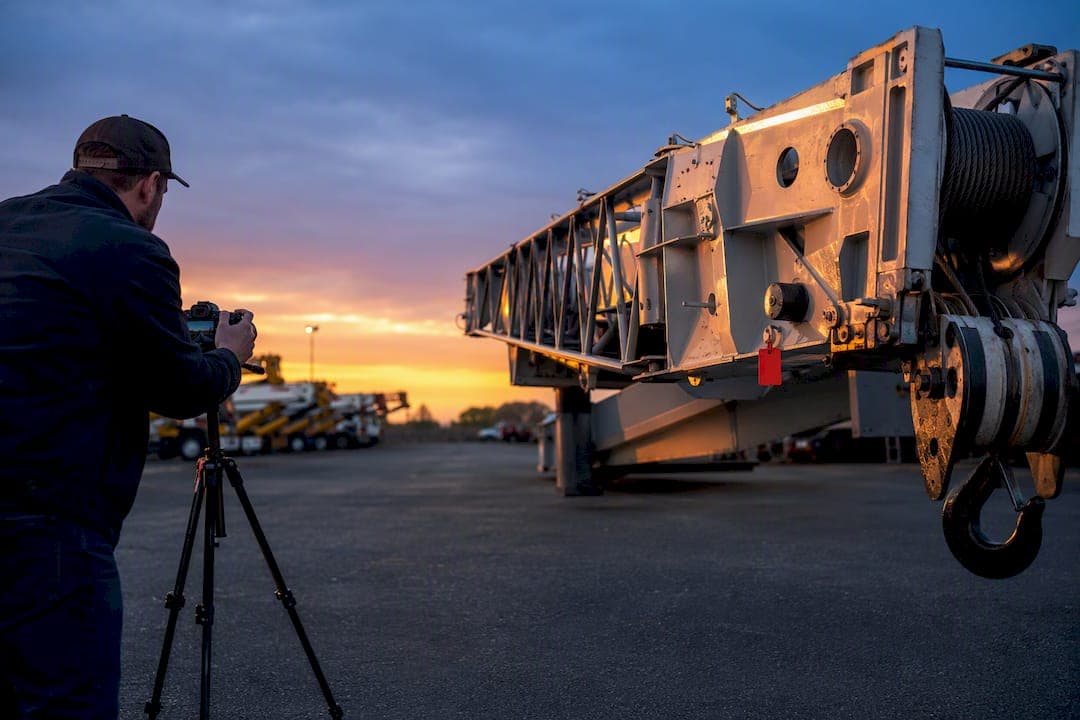
- A substantial set of clear photos covering the boom, cab, undercarriage, and controls, plus one walkaround video
- Comparable listings pulled from at least two active marketplaces to sanity-check your price
- A firm minimum acceptable price, decided before you list, not after the first lowball offer
- Confirmation of site access and transport readiness so a buyer or inspector can view the machine without delay
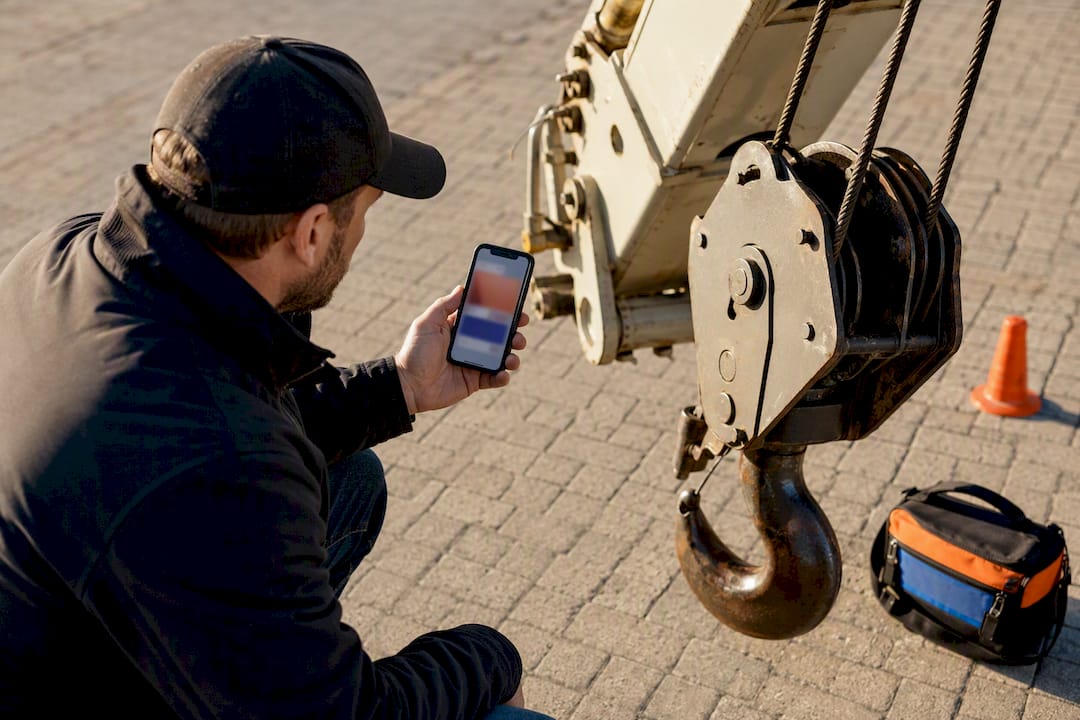
Pro Tip: Photograph the hour meter and any visible serial plates separately from your main gallery. Buyers screenshot these first, and having them ready cuts down on repetitive "can you send a close-up of..." messages.
Listings with a complete media pack generate noticeably more inquiries than bare-bones posts with two or three photos, and most crane marketplaces now ask sellers to upload up to 40 pictures and video for exactly this reason.
How To Prepare The Crane And The Listing So It Sells Faster
Buyers form an opinion about a crane within seconds of opening the photos. A dirty machine with grease-streaked panels and cracked hydraulic lines signals neglect, even if the mechanics are sound. Wash the boom, clean the cab glass, and clear the deck of loose tools or debris before you shoot a single photo.
Follow this sequence to get the listing ready:
- Clean and stage the crane. Park it on level, well-lit ground, away from clutter that distracts from the machine itself.
- Run a self-inspection. Check tires or tracks, hydraulic lines, boom sections, wire rope condition, and outrigger function, and note anything that needs disclosure.
- Shoot the photo set. Cover full side profiles, the cab interior, the counterweight, undercarriage, and any wear points, then record a two-to-three-minute walkaround video with the engine running.
- Write an honest condition description. State hours, known issues, recent repairs, and attach maintenance logs directly to the listing.
That last step carries more weight than most sellers realize. Listings that include maintenance logs and inspection reports tend to move through negotiation faster, because the buyer's due diligence is already half done.
Pro Tip: List any repair or part replacement, even minor ones, in the description rather than waiting for a buyer to ask. Sellers who volunteer this information get fewer lowball offers, not more.
Where To List: Channel Categories And How To Pick One
Sellers generally choose among four channel types when they sell construction equipment online: specialist marketplaces, auction platforms, consignment or dealer sale, and direct buyer outreach through industry contacts. Each trades speed, price, and effort differently.
- Specialist marketplaces put your listing in front of buyers who are already searching for cranes by category, giving you control over pricing and timeline at a modest listing fee.
- Crane auction sites can produce a quick sale but often compress your price toward the low end of the comparable range, since auctions reward urgency over patience.
- Consignment or dealer sale hands the marketing and negotiation to a third party in exchange for a fee, trading net proceeds for convenience.
- Direct buyer outreach works if you already have industry relationships, but it limits your pool to whoever you happen to know.
For most sellers, starting with a specialist online crane marketplace makes the most sense. You keep more of the sale price than a dealer buyout typically nets, and your listing reaches a buyer network already qualified to purchase heavy equipment, rather than a general classifieds audience scrolling past your crane on their way to a used truck. To maximize exposure, list under the correct equipment subcategory, tag the crane by lift capacity and boom type, and consider a promoted placement if your timeline is tight.
Pricing And Valuation: How To Set A Competitive Listing Price
Pull three to five comparable listings for your crane's make, model, and hour range, then check whether they're asking prices or confirmed sale prices. Adjust up or down for your machine's condition, location, and any attachments included. A crane sitting in a remote area with limited transport access typically needs to price slightly below a comparable unit near a major freight corridor, since buyers factor delivery cost into their offer.
Common pricing tactics include:
- Fixed price for sellers who know their market and want to avoid negotiation back-and-forth
- Buy now with best offer enabled to capture both patient and urgent buyers
- Reserve pricing on auction-style listings to protect your floor
- Staged price drops every two to three weeks if inquiries stall
Before you finalize a number, run a net-proceeds calculation: subtract listing or consignment fees and estimated transport costs from your target sale price to see what actually lands in your account. Calculating fees and transport costs upfront keeps you from accepting an offer that looks fine on paper but nets less than you expected once the truck shows up.
Transactions, Transport, And Legal Paperwork: Closing Safely
Closing a crane sale online involves more moving pieces than closing on a pickup truck, and skipping a step here costs real money.
- Verify ownership before you list. Confirm the title is clear and check for outstanding liens, since unresolved liens can block a transfer even after a buyer has agreed to terms.
- Use secure payment methods. Wire transfer, escrow services, or financing through a buyer's lender are standard for high-value equipment; avoid personal checks or payment apps meant for small transactions.
- Handle inspection requests professionally. A conditional offer pending inspection is normal. Set a clear window, and have your documentation ready so the inspector isn't starting from zero.
- Coordinate transport before the sale closes. Rigging requirements, oversize permits, and carrier scheduling all take time, and confirming a qualified carrier and permit requirements before you accept an offer prevents the kind of delivery delay that sours an otherwise clean sale.
Pro Tip: Ask the buyer which state the crane is headed to before you finalize permits. Oversize load rules vary enough between states that a permit sourced for the wrong route can cost you a week.
Once payment clears, transfer title, bill of sale, and any lien release documents together, not in separate batches, so the buyer has a complete paper trail from day one.
Consignment And Dealer Sale Options: When To Hand It Off
Consignment makes sense when you'd rather not manage buyer calls, negotiate directly, or handle logistics yourself. Consignment dealers market your crane to their existing buyer network and manage inquiries through closing, which reduces your workload considerably.
The tradeoff is fee structure. Consignment and dealer sale typically charge a percentage of the final sale price, which lowers your net proceeds compared to a self-managed marketplace listing. It's worth it when your time is limited, the crane is high-value enough that professional negotiation pays for itself, or you're managing a fleet sale where a sale-leaseback or trade-in structure is also on the table.
Before signing anything, ask:
- What is the exact commission percentage, and is it negotiable?
- Who handles buyer inspections and transport coordination?
- What is the average time to sale for comparable equipment?
- Are there marketing guarantees or is it purely commission-based effort?
If you're weighing a sale-leaseback structure instead of an outright sale, review the accounting and CFO-level considerations before committing, since the tax and balance sheet treatment differs meaningfully from a straight sale.
What Actually Separates A Fast Sale From A Stalled Listing
Most crane listings that sit unsold for months don't have a pricing problem. They have a documentation problem. A seller posts a listing with three photos, no hour meter reading, and a description that says "runs great," then wonders why serious buyers aren't calling. Professional buyers in this space are comparing your listing against three or four others in the same tab, and the one with a walkaround video and attached inspection report wins the click every time.
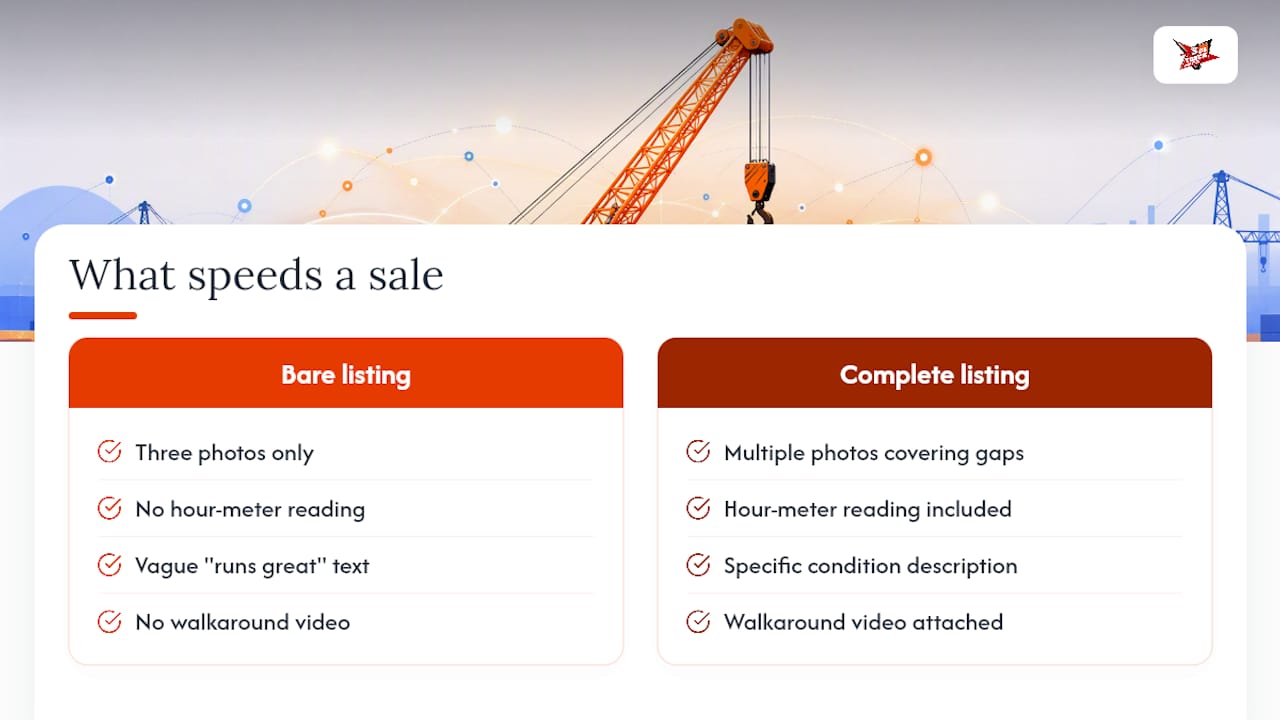
The habits that separate experienced sellers from first-timers are almost boring in how simple they are: respond to inquiries within hours, not days; keep every maintenance record scanned and ready to send; and never let a photo gap force a buyer to guess at condition. One seller who added a full inspection report and video walkaround to a previously bare listing saw inquiries pick up within days, simply because buyers no longer had to ask basic questions before making an offer.
None of this requires expertise you don't already have. It requires treating your listing like the sales document it actually is.
— Dave
Post Your Crane On Sostruckforsale And Reach Buyers Who Are Already Looking
An effective online marketplace gives you a direct line to buyers already searching by category, price, and location, so your crane isn't competing with general classifieds traffic that has no intent to buy heavy equipment. Listing takes minutes once your specs, photos, and documents are ready.
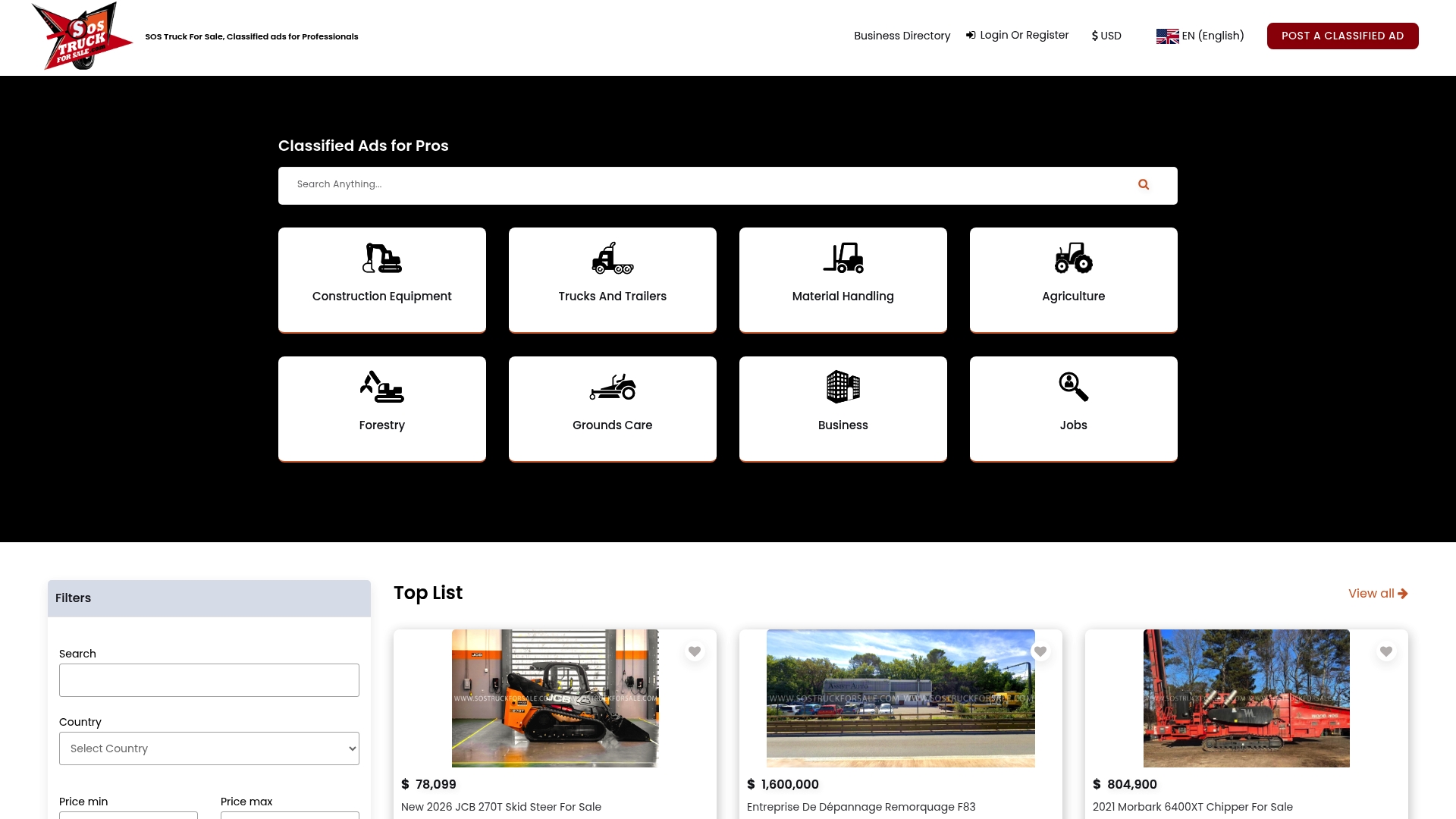
Head to the Sostruckforsale listing page with your serial numbers, hour readings, inspection records, and photo set on hand. Choose your equipment category and subcategory, upload your media pack, set your price using the net-proceeds method above, and publish. If you want extra visibility while your listing is live, consider options to promote your listing to reach more buyers during the first critical weeks on the market.