
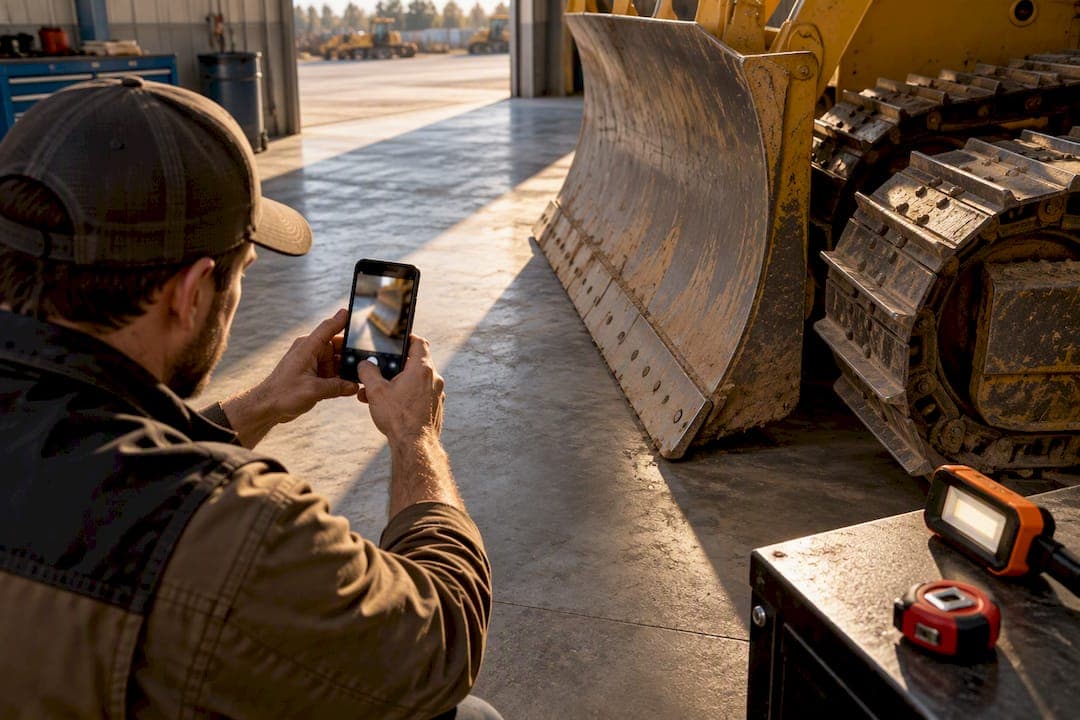
The fastest way to sell a used bulldozer online and get the best net return is a well-documented direct listing on a specialized heavy-equipment marketplace. Prepare a complete photo and spec package, price the machine from recent transactional comps, and secure clean paperwork before you release the title. Auctions can move a dozer faster, but a direct listing to a qualified buyer typically nets more, provided the listing itself does the selling for you.
TL;DR:
- A well-prepared direct marketplace listing often yields higher net returns than auctions, provided it includes detailed photos, a spec sheet, and transparent disclosures.
- Listing with serial numbers and hour meter readings early in the description attracts serious buyers who evaluate machines based on this data before contacting you.
- Pricing should be based on recent transaction comps within the past 90 days, aligning with either retail fair-market value or auction liquidation value depending on your sales channel.
- Complete and organized paperwork, including clear title transfer instructions and documentation of machine condition, significantly shortens the sales timeline.
- Verifying buyer identity, avoiding overpayment scams, and only releasing the machine once funds fully clear are essential steps to prevent fraud during the selling process.
Table of Contents
- Where Should You Sell a Bulldozer Online?
- How Do You Write a Bulldozer Listing That Sells?
- What's the Right Price for a Used Bulldozer?
- What Paperwork Do You Need to Close the Sale?
- What Should You Inspect and Disclose Before Selling?
- Who Handles Transport and Pickup?
- How Long Does It Take to Sell a Bulldozer Online?
- How Do You Spot a Scam Buyer Online?
- What Actually Speeds Up a Bulldozer Sale?
- List Your Bulldozer Where Serious Buyers Are Already Looking
- Sources
- FAQ
Where Should You Sell a Bulldozer Online?
Sellers generally choose from five channels, and each one trades speed for price in a different way.
- Direct marketplace listing. You set the price, control the buyer conversation, and keep more of the sale. This is the best fit if you can wait a few weeks and want fair-market money.
- Auction (online or live). Fast liquidation, often within days, but buyers bid to win, not to pay retail. Expect a lower net number, plus seller commission and buyer's premium built into the process.
- Broker or consignment. A third party lists and negotiates for you, usually for a commission of several percentage points. Good for sellers who don't have time to manage inquiries.
- Dealer trade-in. Fastest and simplest, but dealers price in resale risk and reconditioning cost, so this route almost always pays the least.
- Private sale (word of mouth, local classifieds). Zero platform fees, but a tiny buyer pool and no built-in payment or paperwork protection.
Fee structures usually show up in one of three places: a flat listing fee, a percentage commission on the sale, or a buyer's premium tacked onto auction hammer prices. If your priority is net dollars and you can tolerate a few weeks of marketing time, a direct listing on an online bulldozer marketplace built for heavy equipment beats auction liquidation almost every time.
How Do You Write a Bulldozer Listing That Sells?
A listing that converts browsers into buyers does three things: it proves the machine works, it proves you're a straight shooter, and it makes comparison shopping easy. Skimp on any of the three and your inquiries dry up fast.
Pro Tip: List the serial number and hour meter reading in the first two lines of your description. Serious buyers search by those numbers before they ever call, and hiding them signals you have something to hide.
Follow this sequence when building the listing:
- Shoot the required photo set. Cover the hour meter, serial plate, undercarriage on both sides, blade and ripper, operator station, engine bay, and any attachments. Shoot in daylight, and clean the machine first.
- Record a short operating video. A cold start and a few minutes of safe operation tell buyers more than twenty photos combined. Keep it under five minutes and narrate the hour count and any known quirks.
- Publish the full spec sheet. List hours, blade type, ripper configuration, shoe width, final drive condition, engine and hydraulic status, emissions tier, and every attachment included. Buyers searching for a specific configuration will filter on these fields before they read your description.
- Disclose faults and history in writing. Note maintenance records, known issues, undercarriage wear percentages, and lien or title status up front. A buyer who finds a disclosed issue during inspection trusts you; one who finds an undisclosed issue walks.
- Write a scannable headline and bullet specs. Lead with make, model, year, and hours. Use clear units (inches, hours, percent of remaining undercarriage life) so nothing is ambiguous.
Undercarriage documentation deserves special attention. Photograph the links, shoes, rollers, idlers, and sprockets individually, since replacement cost on that subsystem is steep enough to sway a buyer's offer more than a low hour count ever will. For configuration guidance and how different blade and ripper setups attract different buyer segments, the industrial bulldozer types guide breaks down what buyers in each segment actually look for. If you need a model for photo composition and shot list, the approach in this photo guide for selling equipment online applies directly to dozers too.
What's the Right Price for a Used Bulldozer?
Retail fair-market value and auction liquidation value answer two different questions, and confusing them is the single most common pricing mistake sellers make. Retail value reflects what a motivated buyer pays for a documented, ready-to-work machine sold on your timeline. Auction liquidation value reflects what a machine fetches when it must sell today, to whoever shows up, according to Equipment World's breakdown of resale valuation methods. Choose the number that matches the channel you're actually using.
Build your comps from a trailing 90-day window of actual transactions, not asking prices. Asking prices tell you what sellers hope for; closed sales tell you what buyers pay. Pull comps by filtering marketplace listings and recent auction results by model, year, and hour range.
- Floor price: the minimum you'll accept, usually tied to payoff amount or a hard financial need.
- Target price: your realistic number based on comps adjusted for undercarriage and configuration.
- Stretch price: a top-of-market ask you'll list at first, with room to negotiate down to target.
Equipment World's market pulse data provides a recent snapshot of used bulldozer prices, showing typical levels that vary widely by model, hours, and undercarriage condition. Sellers should treat such figures as general reference points rather than exact pricing targets. Once you've set your range, decide on a sale mechanism: a firm buy-now price moves faster, a reserve protects your floor if you're testing an auction, and a make-offer option works well when you expect negotiation but want to filter out lowball inquiries. For a deeper walkthrough of comp-gathering and auction data sources, see this heavy equipment pricing guide.
What Paperwork Do You Need to Close the Sale?
Closing is where deals fall apart if you haven't prepared, so treat this checklist as non-negotiable before you accept an offer.
- Confirm funds have actually cleared, not just been sent, before you release the machine or title.
- Sign a bill of sale that lists the serial number, sale price, date, and both parties' names.
- Record the serial number on your own copy of every document, separate from what you hand the buyer.
- Transfer title or provide a lien release if the machine was financed.
- Put in writing who pays for transport, inspection costs, and any pre-sale repairs.
Watch for fraud red flags: buyers who overpay and ask for a refund of the difference, requests to wire funds through an unfamiliar third party, or urgency paired with a refusal to inspect the machine. Legitimate buyers of $100,000+ equipment almost never rush a wire transfer sight unseen.
If you're selling as a business, keep your sale date, gross proceeds, and depreciation basis on hand. The IRS instructions for Form 4797 cover how to report the disposition of business property and any depreciation recapture, and reconstructing those numbers after the fact is far harder than pulling them from your existing records. Before listing, assemble your title or lien documents, maintenance logs, original invoice if you have it, and depreciation schedule. For a structured walkthrough of the transfer steps, the ownership paperwork checklist applies the same logic used for excavator transfers to dozers.
What Should You Inspect and Disclose Before Selling?
Buyers will check safety-critical items whether you disclose them or not, so get ahead of it.
- Test the horn and reverse alarm; OSHA requires both on earthmoving equipment with obstructed rear visibility, per standard 1926.602.
- Check brakes, parking brake, and seat belts for function and wear.
- Inspect the ROPS structure for cracks, prior repairs, or missing hardware.
- Confirm all lights work and the fire extinguisher is charged and mounted, items OSHA's vehicle inspection guidance specifically calls out.
- Check for hydraulic leaks and measure undercarriage wear on both sides.
Photograph and write down anything that fails inspection, then include it in the listing. If you're hosting an on-site inspection, set a defined window, keep the machine parked and shut down until the buyer arrives, and walk them through the safety items yourself. Sellers who volunteer this information before being asked close deals faster, because it removes the buyer's biggest unknown. A quick procedural model for structuring this walkthrough is in the skid steer inspection checklist, which applies the same logic to larger tracked machines.
Who Handles Transport and Pickup?
Buyer and seller responsibility for transport varies by deal, but the buyer typically arranges and pays for shipping on used heavy equipment, while the seller handles loading access and paperwork at pickup.
- Confirm whether the buyer or their carrier needs a lowboy trailer, and whether oversize permits apply for the route.
- Vet the carrier's insurance and confirm they've hauled tracked equipment before; loading a dozer wrong can damage the undercarriage.
- Take pre-load photos showing condition and hour meter reading immediately before the machine leaves your lot.
- Get a signed delivery receipt and confirm funds have cleared before the carrier loads the machine.
For the full carrier-coordination process, including how to vet a hauler and what documents to have ready at pickup, the shipping checklist for sold heavy equipment walks through it step by step.
How Long Does It Take to Sell a Bulldozer Online?
A realistic timeline runs three to eight weeks from publishing your listing to signing the bill of sale, depending on price, condition, and how complete your listing package is.
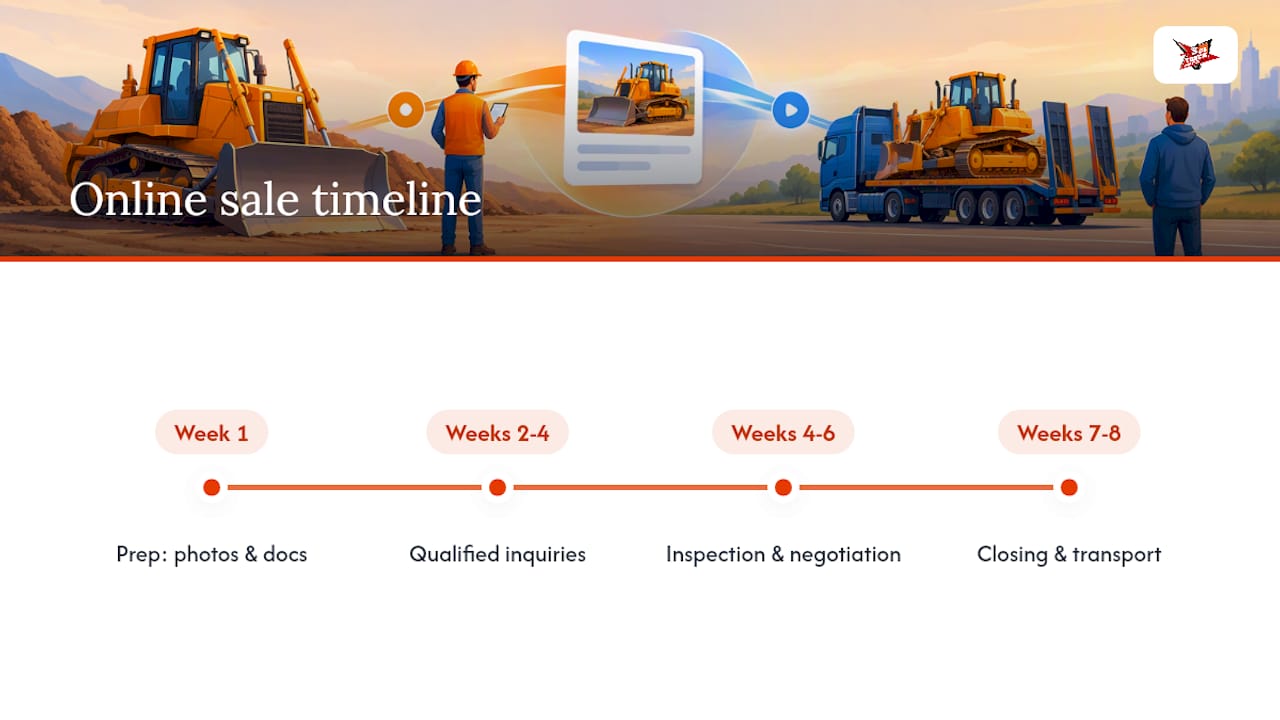
Week one is prep: photos, video, spec sheet, and paperwork assembly. This is the stage sellers most often rush, and it's the one that determines everything downstream. A listing published with gaps in the spec sheet or blurry undercarriage photos gets fewer serious inquiries and more tire kickers asking questions the listing should have already answered.
Weeks two through four typically bring the bulk of qualified inquiries, assuming your price is set from real comps rather than wishful thinking. This is also when you'll field lowball offers; a firm target price backed by documented condition gives you room to hold your ground without losing the buyer.
Weeks four through six usually cover inspection, negotiation, and paperwork. A buyer who's serious will want either an in-person inspection or a detailed video call walkthrough before committing. Build in time for this; trying to rush a buyer past inspection is a common way deals collapse late.
The final stretch, closing and transport, generally takes one to two weeks once funds clear, title transfers, and a carrier is scheduled. Machines priced right at target and listed with complete documentation tend to close on the faster end of this range. Machines with pricing set from asking prices rather than actual comps, or listings missing undercarriage photos, routinely stretch past two months.
How Do You Spot a Scam Buyer Online?
Most fraud attempts on heavy equipment marketplaces follow recognizable patterns, and catching them early saves you weeks of wasted back and forth.
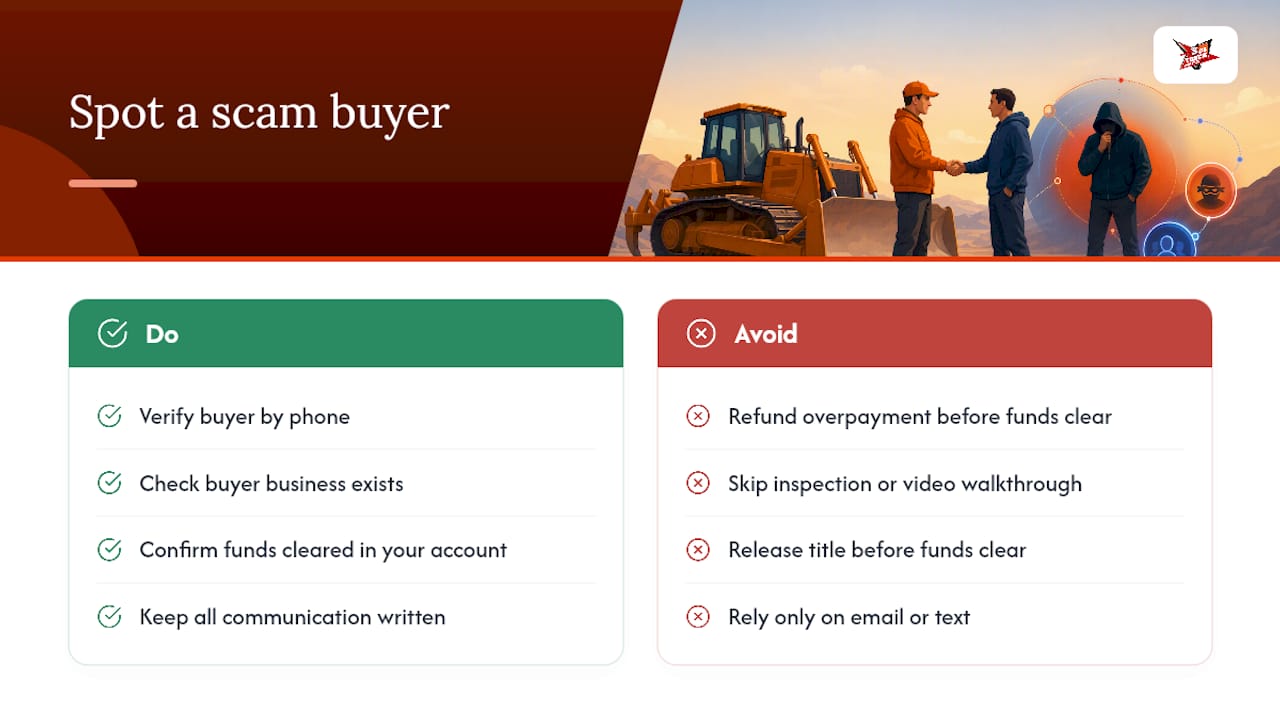
Overpayment scams are the most common: a buyer sends a check or wire for more than your asking price and asks you to refund the difference before the original payment has actually cleared. Treat any request to refund an overpayment as an automatic red flag, regardless of how legitimate the buyer sounds.
Watch for buyers who refuse to inspect the machine or send a representative, especially on a six-figure purchase. Real buyers of expensive equipment almost always want eyes on the machine or a live video walkthrough before wiring funds. Pressure to skip this step, paired with urgency about closing "today," is a combination worth walking away from.
Verify buyer identity through a phone call, not just email or text. Ask for a business name and check that it's a real, operating company if the buyer claims to be purchasing for a fleet. Confirm funds have cleared in your account, not just been submitted, before you release title or allow pickup. And keep every communication in writing. If a deal ever needs to be disputed, a documented paper trail matters more than any verbal assurance a buyer gave you over the phone.
What Actually Speeds Up a Bulldozer Sale?
Sellers who document undercarriage condition thoroughly close faster than sellers who lean on hour count alone, because buyers know hours can be misleading and undercarriage wear can't be faked in a photo. Honesty about defects isn't a liability; it's what lets serious buyers skip the hesitation that kills slower deals. And paperwork prepared before you list, not scrambled together after an offer lands, is the difference between a two-week close and a two-month one.
Following this checklist doesn't just protect you legally. It shortens time-to-sale and cuts down on the renegotiation-after-inspection problem that derails so many private deals.
— Dave
List Your Bulldozer Where Serious Buyers Are Already Looking
A direct-listing heavy equipment marketplace is an alternative to auction liquidation and dealer trade-in for sellers who want fair-market money without giving up a chunk of it to commission or buyer's premium. You keep control of your price, your buyer conversations, and your paperwork timeline.
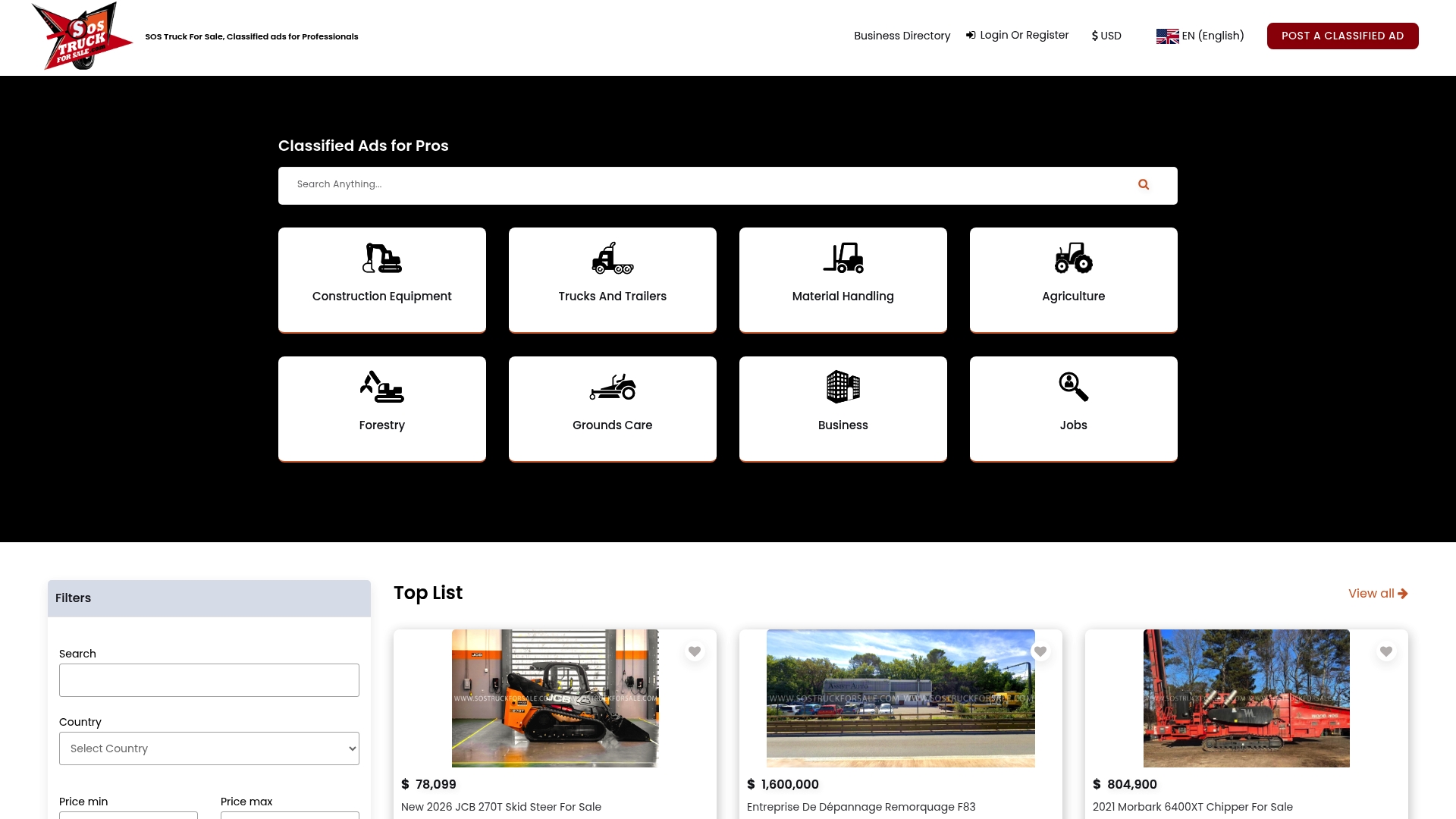
Listing takes about fifteen minutes once you have your photos, hour meter reading, and spec sheet ready. The marketplace organizes listings by category, subcategory, price, and country, so your dozer surfaces in front of buyers who are already searching for that exact configuration rather than browsing general classifieds. Optional promoted placement pushes your listing higher for sellers who want more inquiries faster. Prepare your documentation using the checklists above, then create your listing on Sostruckforsale and start fielding qualified offers this week.
Sources
- Instructions for Form 4797 (2025) | Internal Revenue Service
- 1926.602 - Material handling equipment. | Occupational Safety and Health Administration
- Vehicle inspection guidance | OSHA eTools
- Determining the resale value of your used machine | Equipment World
FAQ
Where Is the Best Place to Sell Equipment Online?
A specialized heavy-equipment marketplace typically nets the best price because it reaches buyers already searching for your exact machine type, rather than general classifieds where dozer buyers rarely browse. Sostruckforsale lists equipment by category and country, which puts your listing in front of a filtered, relevant buyer pool.
What Is the Best Way to Sell Used Heavy Equipment?
Prepare complete documentation first: photos of the undercarriage, serial plate, and hour meter, a short operating video, and a full spec sheet. Then price from actual 90-day transaction comps rather than asking prices, and list directly on a marketplace built for heavy equipment.
What Is the Average Price of a Bulldozer?
Used bulldozer prices vary enormously by model, hours, and undercarriage condition, so there's no single reliable average to quote for your machine. Equipment World's market pulse data provides recent snapshots of typical price levels, which should be treated as rough reference points, not exact pricing targets.
Where Can I Sell My Used Equipment?
You can sell through a direct marketplace listing, an online or live auction, a broker or consignment arrangement, a dealer trade-in, or a private sale to a known buyer. A direct listing on a specialized heavy equipment platform usually nets the most money for sellers willing to spend a few weeks marketing the machine properly.